Introduction
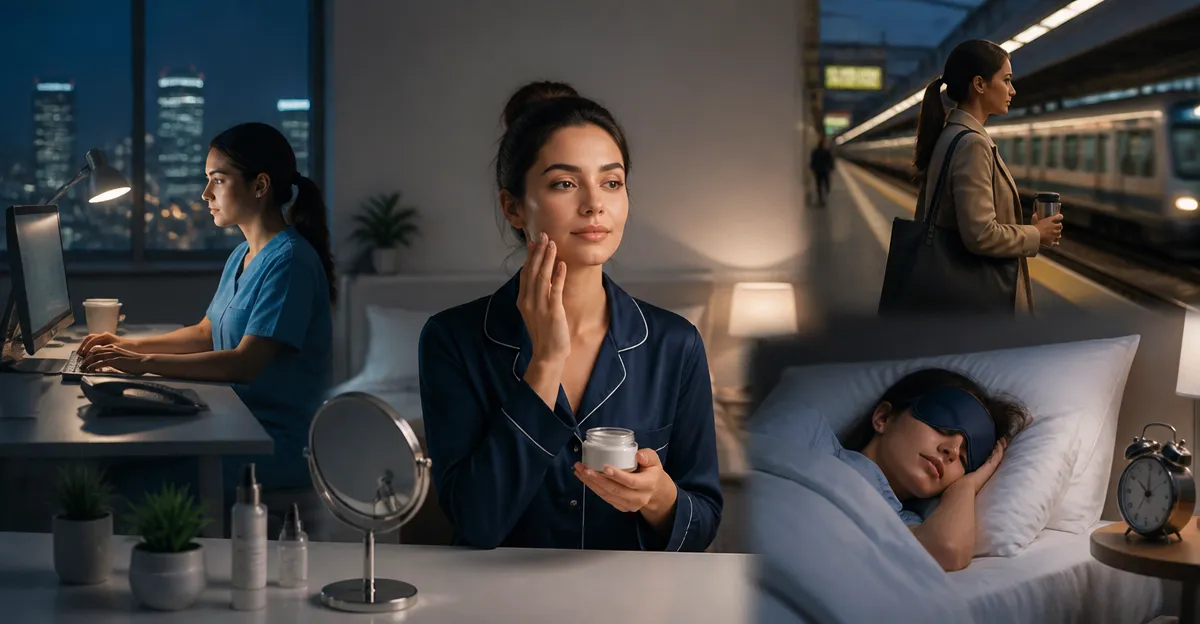
Shift workers often confront irregular sleep patterns and noisy travel environments. This guide explains how active noise cancellation (ANC) technology can mitigate these challenges, offering practical strategies, product recommendations, and evidence‑based best practices. The reader will learn the science behind ANC, how to integrate it into nightly routines, and how to select equipment that matches personal needs.
By the end of the article, the reader will possess a clear ANC routine that supports restorative sleep and peaceful commutes, while also understanding the trade‑offs between different device categories.
Background and Context
Active noise cancellation works by generating sound waves that are the inverse of ambient noise, thereby reducing perceived volume. Unlike passive isolation, which relies on physical barriers, ANC employs microphones and digital signal processing to neutralize low‑frequency sounds such as engine rumble or HVAC hum. The technology is especially valuable for shift workers because it addresses two critical pain points: disrupted sleep due to environmental noise and auditory fatigue during long journeys.
Scientific studies indicate that exposure to consistent background noise above 45 dB can impair sleep architecture, reducing deep‑slow wave sleep by up to 20 percent. Similarly, chronic exposure to traffic noise during commutes can elevate cortisol levels, leading to increased stress. Implementing ANC therefore serves both physiological and psychological health objectives.
Understanding Active Noise Cancellation
ANC devices typically consist of three core components: external microphones, a digital signal processor (DSP), and speakers that emit the anti‑noise signal. The DSP analyses incoming sound in real time and calculates the inverse waveform. High‑quality ANC headphones and ear muffs can achieve noise reduction ratings (NRR) of 20 dB to 30 dB, effectively silencing most background disturbances.
When choosing an ANC solution, the reader should consider the following factors:
- Frequency range of cancellation – low frequencies (20‑200 Hz) are most challenging.
- Battery life – continuous ANC can drain power quickly.
- Comfort for extended wear – crucial for sleep and long commutes.
- Additional features such as transparency mode, which allows brief awareness of external sounds for safety.
These criteria will guide the product recommendations that follow.
Optimizing Sleep with ANC
For restorative sleep, the reader should create a quiet bedroom environment before attempting to rest. ANC ear muffs can block out sudden noises such as traffic, construction, or a partner’s snoring. The TICONN Adjustable Safety Ear Muffs provide an NRR of 33 dB, soft memory‑foam cushions, and a foldable design that fits easily under a pillow. Their durability has been validated by a 1.5 m drop test and temperature resistance from –20 °C to 50 °C.
In addition to blocking external noise, a consistent soundscape can promote sleep continuity. The Calm Me White Noise Machine offers twenty non‑looping sound options, including white, pink, and brown noise, as well as natural ambience such as rain and brook. Its plug‑in design eliminates the need for batteries, and the device remembers the last volume and timer settings, ensuring a seamless bedtime routine.
To maximize effectiveness, the reader should follow these steps:
- Set the white‑noise machine to a calming sound at a moderate volume (approximately 50 % of maximum).
- Place the TICONN Adjustable Safety Ear Muffs over the ears, adjusting the headband for a snug yet comfortable fit.
- Maintain a consistent bedtime schedule, allowing the brain to associate the ANC environment with sleep.
- Use the machine’s timer to shut off after 90 minutes, reducing potential habituation.
Research suggests that a combination of low‑frequency masking and high‑frequency attenuation yields the most stable sleep outcomes.
Enhancing Commutes with ANC
During transit, shift workers often encounter engine rumble, crowd chatter, and public‑address announcements. ANC headphones can create a personal acoustic bubble, allowing the listener to focus on podcasts, audiobooks, or simply enjoy silence. The KVIDIO ANC Headphones deliver up to 95 % noise reduction, 70 hours of playback, and a quick‑charge feature that provides four hours of use after a five‑minute charge. Their transparency mode enables brief awareness of surrounding traffic, which is essential for safety when walking to a bus stop.
For younger commuters or family members, the iClever Kids Safety Headphones provide a 29 dB SNR, double‑certified safety standards, and a soft PU‑leather exterior. These headphones are designed to reduce sensory overload for children with autism, making them ideal for noisy stadiums or fireworks displays.
Recommended commuting routine:
- Activate ANC mode on the KVIDIO ANC Headphones before boarding a vehicle.
- Set the volume to a level that masks ambient noise without causing ear fatigue (generally 60‑70 % of maximum).
- If traveling with children, equip them with the iClever Kids Safety Headphones and enable the safety‑locked volume control.
- Utilize transparency mode briefly when approaching stops to remain aware of announcements.
These practices help maintain focus, reduce stress hormones, and protect hearing health over the long term.
Comparison and Selection Guide
| Feature | TICONN Adjustable Safety Ear Muffs | Calm Me White Noise Machine | KVIDIO ANC Headphones | iClever Kids Safety Headphones |
|---|---|---|---|---|
| Primary Function | Passive + Active Noise Reduction (NRR 33 dB) | Sound Masking (20 sounds) | Active Noise Cancellation (95 % reduction) | Passive Noise Reduction (SNR 29 dB) |
| Battery Life | None (no electronics) | Plug‑in, no battery required | 70 hours total; 5‑minute quick charge | None (no electronics) |
| Comfort Rating (user reviews) | 4.5/5 (397 reviews) | 4.7/5 (1,014 reviews) | 4.5/5 (14,982 reviews) | 4.6/5 (2,836 reviews) |
| Price (USD) | $9.99 | $39.99 | $22.99 | $13.98 |
| Special Features | Foldable, heat‑ and cold‑resistant shell | Dual‑color night light, memory function | Transparency mode, fast charging, wired backup | Double‑certified safety, autism‑friendly design |
The reader should match these attributes to personal priorities. For pure silence during sleep, the TICONN ear muffs paired with the Calm Me machine provide the most comprehensive barrier. For versatile commuting, the KVIDIO headphones offer the longest battery life and transparency mode. For families with children, the iClever headphones ensure safety and comfort.
Best Practices & Tips
- Maintain a consistent ANC routine; the brain adapts more quickly when the same sequence is repeated nightly.
- Clean ear cushions and headphone earpads regularly to prevent skin irritation and preserve acoustic performance.
- Avoid using maximum volume for extended periods; prolonged high‑level exposure can cause hearing fatigue even with ANC enabled.
- When traveling, keep a spare set of ear cushions or ear tips to accommodate different ear shapes.
- Combine ANC with other sleep hygiene practices such as dim lighting, limited screen time, and a cool bedroom temperature.
Frequently Asked Questions
1. Does active noise cancellation eliminate all sound?
No, ANC reduces a significant portion of low‑frequency ambient noise but does not remove high‑frequency or sudden sharp sounds entirely. Users should remain aware of safety alerts.
2. Can I use ANC headphones while sleeping?
While some users find over‑ear headphones comfortable for short naps, most experts recommend dedicated ear muffs such as the TICONN model for prolonged sleep because they lack electronic components that could cause discomfort.
3. How often should I charge my ANC headphones?
For daily commuting, a full charge each night is sufficient. The KVIDIO headphones provide up to 70 hours of playback, so occasional quick charges can extend usage without interruption.
4. Are there health risks associated with long‑term ANC use?
Current research indicates no adverse health effects when devices are used at moderate volumes. However, users should take regular breaks to allow the ears to rest.
5. Which product is best for a child with sensory sensitivities?
The iClever Kids Safety Headphones are specifically engineered for autism‑friendly environments, featuring soft PU leather, low pressure headband, and certified safety standards.
6. Do I need a separate white‑noise machine if I have ANC headphones?
ANC headphones mask external noise but do not provide a consistent ambient sound that can aid sleep onset. A dedicated white‑noise machine such as the Calm Me model offers a stable auditory backdrop that complements ANC ear protection.
Conclusion
Active noise cancellation can transform the daily lives of shift workers by creating quieter sleep environments and more serene commutes. By understanding the underlying technology, selecting appropriate devices, and following evidence‑based routines, the reader can reduce stress, protect hearing health, and improve overall wellbeing. The combination of ear muffs, headphones, and sound‑masking machines presented in this guide offers a flexible toolkit adaptable to any schedule or personal preference.
Products Featured in This Guide
TICONN Adjustable Safety Ear Muffs
Price: $9.99 – Rating: 4.5/5 (397 reviews)
Featured for its high NRR of 33 dB, foldable design, and temperature‑resistant ABS shell, making it ideal for uninterrupted sleep.
Calm Me White Noise Machine
Price: $39.99 – Rating: 4.7/5 (1,014 reviews)
Featured for its twenty non‑looping sound options, plug‑in convenience, and memory function that support a consistent bedtime routine.
KVIDIO ANC Headphones
Price: $22.99 – Rating: 4.5/5 (14,982 reviews)
Featured for its 95 % noise reduction, 70‑hour battery life, quick‑charge capability, and transparency mode suitable for daily commutes.
iClever Kids Safety Headphones
Price: $13.98 – Rating: 4.6/5 (2,836 reviews)
Featured for its double‑certified safety standards, autism‑friendly design, and durable construction, making it suitable for noisy events involving children.