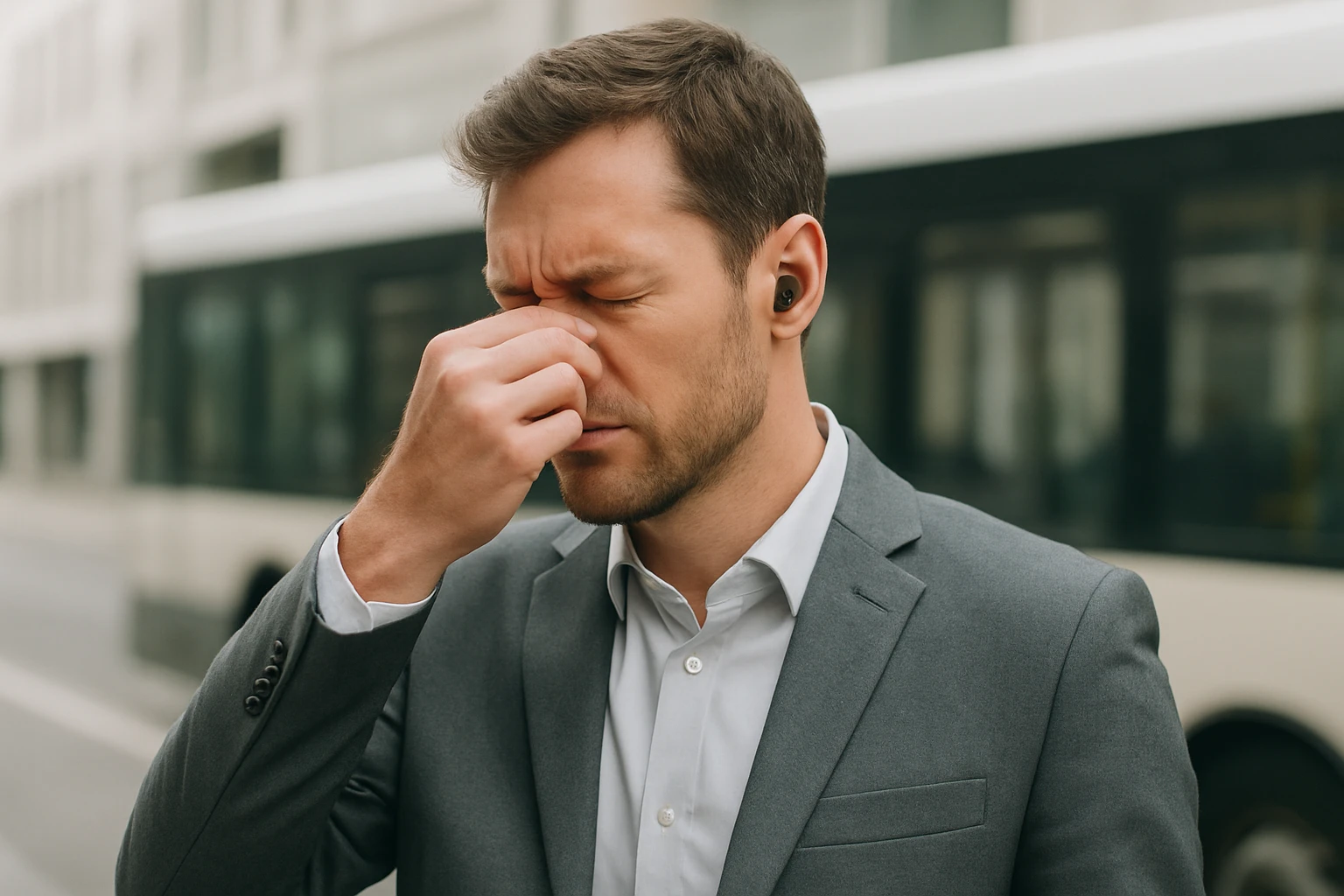

Best Earbuds for Commuters with Nasal Congestion or Allergies: The Complete Guide
Introduction
Commuting while experiencing nasal congestion or seasonal allergies presents a unique set of auditory challenges. The combination of background noise, muffled speech, and the need for clear communication can make even a short journey feel exhausting. This guide explains the essential factors that influence earbud performance for individuals with compromised hearing due to congestion, and it recommends products that address those needs. Readers will learn about acoustic technologies, comfort considerations, waterproofing, and how to evaluate specifications before making a purchase.
In addition to technical explanations, the guide provides a side‑by‑side comparison of two highly rated models, practical tips for everyday use, and answers to common questions. By the end of the article, one will be equipped to select earbuds that enhance clarity, reduce irritation, and survive the rigors of daily travel.
Background and Context
Nasal congestion and allergic inflammation reduce the ability of the middle ear to transmit sound efficiently. Swollen mucosa and excess mucus dampen high‑frequency vibrations, making speech sound distant and background noise more intrusive. Consequently, commuters benefit from earbuds that amplify speech frequencies, suppress ambient distractions, and maintain a secure fit that does not exacerbate ear pressure.
Modern wireless earbuds incorporate several technologies that directly mitigate these issues. Active Noise Cancelling (ANC) creates a quiet zone by generating anti‑phase sound waves, while Adaptive Ambient modes allow selective awareness of external sounds for safety. Additionally, high‑resolution drivers and enhanced codecs such as AAC and SBC improve clarity without raising overall volume, which can protect already sensitive ears.
Beyond acoustic performance, durability and comfort are critical for commuters who may encounter rain, sweat, or long periods of wear. An IP rating indicates resistance to water and dust, and ergonomic designs reduce ear fatigue during extended use. Battery life also matters because many commuters rely on a single charge to last the entire workday.
Understanding the Challenges of Commuting with Congestion
When the nasal passages are blocked, the ear canal experiences a pressure imbalance that can affect the perception of low‑frequency sounds. This phenomenon often results in a sensation that voices are muffled, while high‑frequency consonants become harder to discern. In a noisy subway car or a bustling bus, the problem is amplified.
Two primary strategies help alleviate these auditory deficits. First, increasing the signal‑to‑noise ratio through noise‑cancelling or passive isolation makes speech stand out. Second, employing codecs that preserve the integrity of speech frequencies ensures that the audio remains intelligible at lower volumes.
Commuters who suffer from allergies also contend with occasional itching or irritation around the ear. Materials that are hypoallergenic and silicone ear tips that do not trap moisture reduce the risk of discomfort or infection.
Key Audio Features for Clear Communication
When evaluating earbuds for congested ears, several specifications deserve close attention.
- Active Noise Cancelling (ANC) and Environmental Noise Cancellation (ENC): ANC reduces background hum, while ENC focuses on eliminating noise from the microphone input during calls. Both technologies improve speech clarity.
- Driver Size and Type: Larger dynamic drivers (e.g., 14.2 mm) can produce richer mids and highs, which are essential for intelligible speech.
- Bluetooth Codec Support: AAC and SBC are common, but AAC delivers higher fidelity on iOS devices, preserving vocal nuances.
- Microphone Array: Multiple microphones per earbud enable beamforming, which isolates the wearer’s voice from surrounding sounds.
Products that combine these features tend to deliver a noticeable improvement for users whose hearing is temporarily compromised.
Water Resistance and Comfort for Long Journeys
Commuters often face unpredictable weather conditions. An IP rating of at least IP54 ensures protection against splashes and dust, while IP7 offers full immersion resistance up to one meter for short periods. Waterproofing prevents moisture from seeping into the electronics, which could otherwise cause malfunction.
Comfort is equally important. Earbuds with an ergonomic in‑ear design that follows the natural shape of the ear canal distribute pressure evenly. Soft silicone tips of varying sizes allow a secure seal without excessive compression, reducing the likelihood of ear fatigue.
Battery life should accommodate a typical commute plus incidental use. Devices that provide at least six hours of active playback per charge, supplemented by a charging case that extends total usage to 30 hours or more, are ideal for daily travelers.
Product Recommendations
Based on the criteria outlined above, two earbuds stand out for commuters dealing with nasal congestion or allergies.
Btootos Wireless Earbuds
The Btootos Wireless Earbuds feature a 2025 Bluetooth 5.4 chipset that delivers low latency and a stable connection up to 15 meters. Dual 14.2 mm low‑distortion drivers provide clear mids and highs, while the built‑in ENC technology reduces background noise during calls. An LED power display on the charging case shows battery status at a glance, and the Type‑C fast‑charging port replenishes the battery quickly. With an IP7 waterproof rating, the earbuds resist rain and sweat, making them suitable for all weather conditions. Users praise the 4.5‑star rating based on 57,075 reviews, noting the comfortable fit and reliable performance during long commutes.
JBL Vibe Beam 2 Earbuds
The JBL Vibe Beam 2 Earbuds combine JBL Pure Bass sound with Active Noise Cancelling and Smart Ambient technology. Eight‑millimeter dynamic drivers deliver punchy bass while preserving vocal clarity. Four microphones—two per earbud—capture the user’s voice with high fidelity and suppress ambient noise, which is valuable for phone calls in crowded stations. The earbuds offer up to 40 hours of total playback when the case is fully charged, and a USB‑type‑C fast‑charge adds three hours of listening after ten minutes. An IP54 rating protects against dust and light rain, and the companion JBL Headphones app allows users to fine‑tune the EQ for personal preferences. The product holds a 4.2‑star rating from 5,132 reviewers, many of whom highlight the seamless device switching and reliable ANC.
Comparison and Selection Guide
| Feature | Btootos Wireless Earbuds | JBL Vibe Beam 2 Earbuds |
|---|---|---|
| Bluetooth Version | 5.4 (low latency) | 5.0 (standard) |
| Driver Size | 14.2 mm dual dynamic | 8 mm dynamic |
| Noise Cancellation | ENC for calls, passive isolation | Active Noise Cancelling + Smart Ambient |
| Water Resistance | IP7 (full immersion) | IP54 (dust & splash) |
| Battery Life (Earbuds) | 6‑8 hours | 10 hours (ANC off) |
| Total Playback (with case) | ~36 hours | ~40 hours |
| Price | $36.99 | $47.99 |
| Average Rating | 4.5/5 (57,075 reviews) | 4.2/5 (5,132 reviews) |
For commuters who prioritize a secure waterproof seal and a modest price, the Btootos model offers excellent value. Its larger drivers and ENC technology are particularly beneficial for users whose congestion reduces speech intelligibility. Conversely, commuters who desire a richer bass response, longer total playback, and a sophisticated app for sound customization may find the JBL Vibe Beam 2 more appealing, despite its higher cost.
Best Practices & Tips
- Enable the earbud’s noise‑cancelling mode before boarding a noisy vehicle to create a quiet listening environment.
- Use the companion app, if available, to adjust the equalizer settings for speech‑enhancement presets.
- Regularly clean the silicone tips with a mild soap solution to prevent allergen buildup.
- Take advantage of fast‑charging capabilities during short breaks; a ten‑minute charge can provide several additional hours of playback.
- Store the earbuds in the charging case when not in use to maintain battery health and protect them from dust.
Frequently Asked Questions
1. Do noise‑cancelling earbuds help when I have a blocked nose?
Yes. By reducing background noise, ANC allows the brain to focus on speech frequencies, which are often the most affected by congestion. This improves overall comprehension without requiring higher volume levels.
2. Are Bluetooth 5.4 earbuds noticeably better than 5.0 for commuting?
Bluetooth 5.4 offers lower latency and a more stable connection, which can be advantageous when switching between devices or streaming video on a mobile screen during a commute.
3. How important is the IP rating for daily commuters?
An IP54 rating protects against dust and light rain, which is sufficient for most urban environments. However, an IP7 rating provides added peace of mind during heavy rain or accidental submersion.
4. Can I use these earbuds with both Android and iOS devices?
Both models support standard Bluetooth profiles and are compatible with Android and iOS. The Btootos earbuds use AAC and SBC codecs, while the JBL earbuds also support AAC, ensuring high‑quality audio across platforms.
5. How often should I replace the ear tips?
Silicone tips should be inspected weekly. Replace them when they show signs of tearing, discoloration, or loss of elasticity, typically every three to six months for regular users.
6. Is it safe to increase the volume to compensate for congestion?
Increasing volume can cause ear fatigue and potential long‑term damage. It is safer to rely on noise‑cancelling technology and speech‑enhancement settings rather than raising the volume excessively.
Conclusion
Choosing the right earbuds can transform a challenging commute into a comfortable and productive experience, even when nasal congestion or allergies affect hearing. By focusing on noise cancellation, driver quality, waterproofing, and battery endurance, commuters can maintain clear communication and enjoy their favorite audio content without irritation. The Btootos Wireless Earbuds and JBL Vibe Beam 2 Earbuds each excel in different areas, allowing users to select the model that aligns with their budget and feature preferences.
Implementing the best‑practice tips—such as regular cleaning, leveraging fast charging, and customizing sound profiles—will extend the lifespan of the earbuds and maximize their benefit. With the knowledge presented in this guide, readers are now prepared to make an informed decision that supports their health and enhances their daily travel.
Products Featured in This Guide
Btootos Wireless Earbuds
Price: $36.99
Rating: 4.5/5 (57,075 reviews)
Featured for its large 14.2 mm drivers, ENC call reduction, IP7 waterproof rating, and affordable price point, making it ideal for users with congestion seeking clear speech and durability.
JBL Vibe Beam 2 Earbuds
Price: $47.99
Rating: 4.2/5 (5,132 reviews)
Featured for its Active Noise Cancelling, Smart Ambient mode, four‑mic array, and extended 40‑hour total playback, providing a premium experience for commuters who value advanced sound customization.
