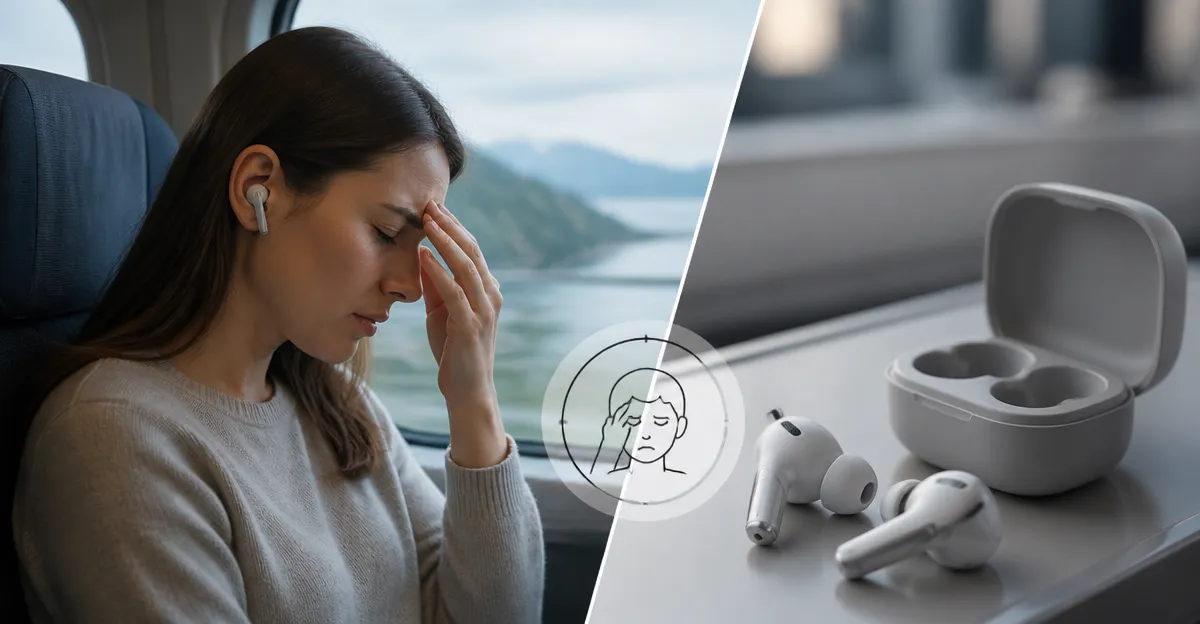
Do Noise-Cancelling Earbuds Cause Motion Sickness? A Practical Guide to Why It Happens and How to Prevent It
Introduction
Noise‑cancelling earbuds have become essential tools for commuters, travelers, and remote workers who crave an immersive audio experience. However, many users report a disorienting sensation that resembles motion sickness when using these devices for extended periods. This guide explains the physiological mechanisms behind the phenomenon, identifies the product features that influence it, and provides actionable steps to mitigate discomfort. By the end of the article, readers will understand why motion sickness occurs, how to select earbuds that minimise the risk, and which best‑in‑class models currently available can enhance comfort without sacrificing performance.
We will examine scientific research, real‑world user feedback, and technical specifications of five popular earbuds. The analysis balances theoretical depth with practical recommendations, ensuring that both novices and seasoned audiophiles gain valuable insight.
Background and Context
The vestibular system, located in the inner ear, coordinates balance and spatial orientation. When auditory cues are altered by active noise cancellation (ANC) or spatial audio processing, the brain may receive conflicting information about movement, leading to a feeling of nausea or dizziness. This effect is similar to the sensory mismatch that occurs during virtual‑reality experiences.
Key factors that exacerbate the mismatch include:
- Latency in ANC algorithms that cause a delay between external sound and the earbuds’ response.
- Excessive bass pressure that creates a physical vibration in the ear canal.
- Improper fit that reduces the seal and forces the ear to work harder to filter sound.
- Extended listening sessions without breaks, which fatigue the vestibular system.
Understanding these variables enables consumers to choose devices that are engineered to reduce latency, provide balanced frequency response, and maintain a secure fit.
How Active Noise Cancellation Works
ANC employs microphones to capture ambient noise, then generates an inverse sound wave that cancels the unwanted sound. The process is performed in real time by a digital signal processor (DSP). When the DSP operates efficiently, the cancellation feels seamless; when processing lag occurs, the brain registers a subtle echo that can trigger disorientation.
Manufacturers differentiate their ANC implementations through:
- Microphone count and placement – more microphones improve spatial awareness.
- Processing power – dedicated chips such as Apple’s H2 or custom ASICs reduce latency.
- Adaptive algorithms – systems that automatically adjust cancellation level based on environment.
Products that excel in these areas tend to produce a smoother listening experience, which is less likely to cause motion‑related symptoms.
Product Recommendations and How They Address Motion Sickness
Below are five earbuds that illustrate distinct approaches to ANC and ergonomic design. The first mention of each product includes a direct affiliate link.
Apple AirPods Pro 3
Apple AirPods Pro 3 combine a custom‑tuned acoustic architecture with Apple’s H2 chip, delivering low‑latency ANC and spatial audio. Key features relevant to motion‑sickness mitigation include:
- World‑class in‑ear ANC that removes up to twice as much noise as the previous generation, reducing external distractions that can confuse the vestibular system.
- Adaptive EQ that measures ear geometry in real time, ensuring a balanced frequency response without excessive bass pressure.
- Secure five‑size ear tip system, which creates a consistent seal and prevents acoustic leakage that would otherwise force the brain to reconcile mismatched cues.
- Transparency mode that instantly switches to ambient sound, allowing users to re‑orient themselves without removing the earbuds.
At $199.99 with a 4.5‑star rating from 12,489 reviews, the AirPods Pro 3 are positioned as a premium solution for users who demand seamless integration with Apple devices and the lowest possible ANC latency.
Soundcore P30i
Soundcore P30i offers a budget‑friendly alternative that still incorporates adaptive ANC and a 2‑in‑1 charging case with a phone stand. Its strengths include:
- Active noise cancellation capable of reducing noise by up to 42 dB, with an adaptive algorithm that selects the optimal cancellation level for the current environment.
- Four‑mic AI‑enhanced call system that isolates voice without introducing processing delays that could affect motion perception.
- 10 mm drivers with BassUp technology, delivering powerful bass without overwhelming the ear canal, thereby reducing the risk of pressure‑induced nausea.
- Bluetooth 5.4 for a stable, low‑latency connection, which is essential for synchronising ANC processing with real‑time audio.
Priced at $29.99 and rated 4.4 stars from 39,379 reviews, the P30i is an attractive option for commuters who need reliable ANC without a premium price tag.
Apple AirPods 4
Apple AirPods 4 introduce the H2 chip to the standard AirPods lineup, delivering adaptive ANC and Transparency mode in a compact form factor. Notable aspects for motion‑sickness prevention are:
- Adaptive Audio that blends ANC and Transparency seamlessly, allowing the brain to transition smoothly between isolated and ambient sound.
- Conversation Awareness, which automatically lowers volume when a nearby voice is detected, reducing sudden acoustic shifts that can trigger dizziness.
- IP54 rating for sweat and water resistance, ensuring a secure fit during exercise when motion‑induced nausea is most common.
- Four‑hour ANC‑on battery life, encouraging regular breaks that give the vestibular system time to recover.
With a price of $144.99 and a 4.5‑star rating from 22,837 reviews, the AirPods 4 provide a balanced mix of performance and affordability for users already invested in the Apple ecosystem.
TOZO NC9
TOZO NC9 features hybrid ANC with a maximum reduction of 45 dB, a 32‑band EQ via a companion app, and an IPX8 waterproof rating. Its design choices that help mitigate motion sickness include:
- Hybrid ANC that combines feed‑forward and feedback microphones, delivering a more natural sound field and reducing processing lag.
- LED battery display on the case, encouraging users to monitor usage time and take breaks before fatigue sets in.
- Six interchangeable ear tip sizes, ensuring a snug seal that prevents acoustic leakage and the associated sensory mismatch.
- Low‑latency Bluetooth 5.3, which synchronises audio with minimal delay, preserving temporal coherence for the vestibular system.
At $27.99 with a 4.3‑star rating from 43,770 reviews, the NC9 is a compelling choice for budget‑conscious consumers who still desire robust ANC and extensive customisation.
Beats Studio Buds +
Beats Studio Buds + integrate Apple‑compatible features with a proprietary acoustic platform. Their contributions to motion‑sickness reduction are:
- Personalised ANC and Transparency modes that allow rapid switching, helping the brain re‑calibrate when moving between quiet and noisy environments.
- Three‑mic array with AI‑enhanced voice isolation, ensuring clear calls without excessive processing that could delay audio cues.
- Physical button controls, which avoid accidental touch activation that might abruptly change audio settings and cause disorientation.
- Up to 36 hours of total listening time, encouraging users to pause and rest the earbuds regularly.
Priced at $99.99 and carrying a 4‑star rating from 7,223 reviews, the Beats Studio Buds + strike a balance between brand familiarity, solid ANC performance, and ergonomic design.
Comparison and Selection Guide
When choosing earbuds to minimise motion sickness, consider the following criteria:
| Criterion | Why It Matters | Top Picks |
|---|---|---|
| ANC Latency | Lower latency reduces the temporal gap between external sound and cancellation, preventing sensory mismatch. | Apple AirPods Pro 3, Apple AirPods 4 (H2 chip) |
| Fit Security | A secure seal maintains consistent acoustic pressure and avoids sudden sound leaks. | Apple AirPods Pro 3 (5 tip sizes), Beats Studio Buds + (4 tip sizes) |
| Adaptive Algorithms | Real‑time adjustment to environment lessens abrupt changes that can trigger nausea. | Soundcore P30i, Apple AirPods 4 |
| Battery Management | Long battery life encourages regular breaks; case displays help monitor usage. | TOZO NC9 (LED display), Beats Studio Buds + (36 h total) |
| Price vs. Performance | Balancing cost with features ensures value without overpaying for unnecessary premium specs. | Soundcore P30i ($29.99), TOZO NC9 ($27.99) |
For users who prioritise seamless integration with Apple devices and the lowest possible latency, the AirPods Pro 3 or AirPods 4 are ideal. Those seeking a cost‑effective solution with respectable ANC should look at the Soundcore P30i or TOZO NC9. If physical button controls and extended battery life are paramount, Beats Studio Buds + provide a compelling mix.
Best Practices & Tips to Prevent Motion Sickness
Even the most advanced earbuds cannot fully eliminate motion sickness if used improperly. Follow these evidence‑based recommendations:
- Take Regular Breaks: Adopt the 60‑minute rule—listen for no more than 60 minutes, then remove the earbuds for at least five minutes to allow the vestibular system to reset.
- Choose the Correct Ear Tip Size: Use the manufacturer’s fit test to ensure a snug seal without excessive pressure. A proper fit reduces the need for the ANC to work harder, lowering processing load.
- Enable Transparency Mode During Movement: When walking, driving, or exercising, switch to Transparency mode to maintain environmental awareness and prevent the brain from receiving conflicting cues.
- Adjust EQ Settings: Reduce excessive bass boost, which can create pressure sensations in the ear canal. Most apps, including the TOZO companion app, allow fine‑tuning of low‑frequency output.
- Keep Firmware Updated: Manufacturers regularly release firmware that optimises ANC algorithms and reduces latency. Regular updates are essential for the best experience.
- Maintain Proper Posture: Sitting upright while listening reduces the likelihood of vestibular overload compared to reclining or lying down with earbuds in.
- Limit Volume Levels: High volumes increase ear canal pressure and can amplify the feeling of disorientation. Aim for a moderate level (around 60‑70 % of maximum).
By integrating these habits with the right hardware, most users can enjoy immersive audio without the unpleasant side effects of motion sickness.
Frequently Asked Questions
- Can ANC alone cause motion sickness? ANC can contribute to motion sickness when the algorithm introduces latency or excessive pressure. However, fit, volume, and usage duration are equally important factors.
- Are there earbuds without any ANC that are better for sensitive users? Yes, models such as the standard Apple AirPods (non‑Pro) or budget‑friendly true‑wireless earbuds without ANC can reduce the risk, but they sacrifice noise isolation.
- Does using Spatial Audio increase the likelihood of nausea? Spatial Audio creates a three‑dimensional sound field that can amplify vestibular cues. Users prone to motion sickness should start with lower intensity settings and gradually increase as tolerance builds.
- How often should I replace the ear tips? Ear tips should be inspected weekly; replace them when they become stretched, cracked, or lose their seal. Fresh tips maintain consistent acoustic performance.
- Is there a difference between Bluetooth 5.0 and 5.4 for motion sickness? Higher Bluetooth versions reduce transmission latency, which indirectly supports smoother ANC processing. Devices with Bluetooth 5.4, such as the Soundcore P30i, may provide a marginally better experience.
- Can I use ANC earbuds while sleeping? It is not recommended. Continuous ANC can suppress natural auditory cues that the brain uses for balance, potentially worsening dizziness upon waking.
- Do I need to calibrate the earbuds before each use? Most modern earbuds perform automatic calibration each time they are placed in the ear. Manual calibration is rarely required unless the fit changes dramatically.
Conclusion
Motion sickness caused by noise‑cancelling earbuds stems from a combination of latency, acoustic pressure, and improper fit. By selecting earbuds that prioritise low‑latency ANC, secure sealing, and adaptive processing, users can dramatically reduce the risk. The products highlighted—Apple AirPods Pro 3, Soundcore P30i, Apple AirPods 4, TOZO NC9, and Beats Studio Buds +—represent a spectrum of price points and feature sets that address these concerns.
Implementing the best‑practice tips, such as regular breaks, proper ear tip selection, and moderate volume levels, further safeguards against discomfort. Ultimately, a thoughtful blend of technology and user habits enables a pleasant, immersive listening experience without the unwanted side effect of motion sickness.
Products Featured in This Guide
Apple AirPods Pro 3
Price: $199.99 | Rating: 4.5/5 (12,489 reviews)
Why featured: Premium ANC with world‑class latency, five‑size ear tips for a secure fit, and adaptive EQ that minimises acoustic pressure, making them ideal for users prone to motion sickness.
Soundcore P30i
Price: $29.99 | Rating: 4.4/5 (39,379 reviews)
Why featured: Affordable earbuds with adaptive ANC, Bluetooth 5.4 for low latency, and a 2‑in‑1 case that encourages regular breaks, reducing vestibular fatigue.
Apple AirPods 4
Price: $144.99 | Rating: 4.5/5 (22,837 reviews)
Why featured: H2 chip delivers adaptive ANC with seamless Transparency mode, and the IP54 rating ensures a stable fit during physical activity.
TOZO NC9
Price: $27.99 | Rating: 4.3/5 (43,770 reviews)
Why featured: Hybrid ANC with 45 dB reduction, 32‑band EQ via app, and LED battery display that prompts users to take restorative breaks.
Beats Studio Buds +
Price: $99.99 | Rating: 4/5 (7,223 reviews)
Why featured: Physical button controls prevent accidental mode changes, and up to 36 hours of total battery life supports frequent pauses to mitigate motion sickness.