Introduction
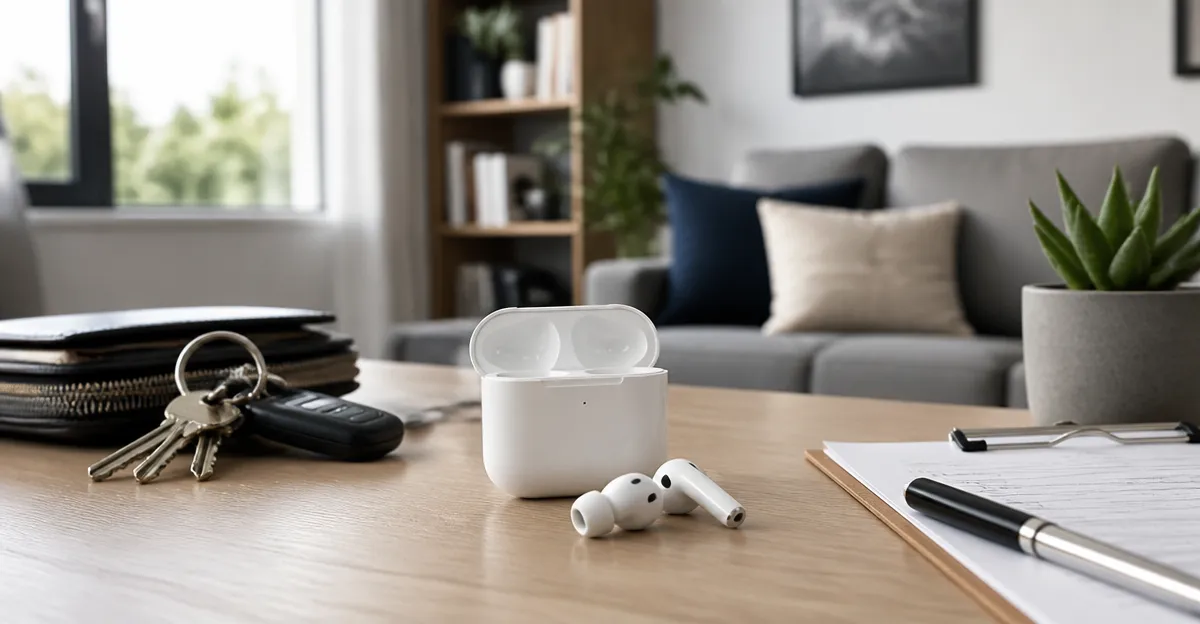
Renters insurance is often perceived as a safety net for property damage and liability, yet many policyholders wonder whether it also protects small, high‑value items such as wireless earbuds. This guide explains the scope of coverage, clarifies common misconceptions, and provides actionable steps for filing a claim. Readers will also discover complementary products that can enhance overall protection and learn best practices for safeguarding personal electronics.
Background and Context
Renters insurance typically combines personal property coverage, liability protection, and additional living expense reimbursement. Personal property coverage replaces or repairs belongings that are damaged, destroyed, or stolen, subject to policy limits and deductibles. However, coverage for lost items, especially those misplaced rather than stolen, varies considerably among insurers. Understanding the distinction between loss, theft, and accidental damage is essential before assuming that earbuds are automatically covered.
Understanding Renters Insurance Coverage
Most standard renters policies provide coverage for personal belongings up to a specified limit, often ranging from $10,000 to $30,000. Within this limit, items are grouped into categories such as electronics, clothing, and furniture. Wireless earbuds fall under the electronics category, but insurers may apply sub‑limits for high‑value gadgets. Policyholders should review the “personal property” section to identify any caps on electronics or accessories.
In addition to sub‑limits, insurers may require proof of ownership, such as receipts or photographs, to validate a claim. For earbuds, retaining the original purchase receipt or a digital copy from the retailer can expedite the process. Some insurers also offer optional “scheduled personal property” endorsements that allow the policyholder to declare specific items and pay an additional premium for full coverage without sub‑limits.
When a loss is caused by theft, renters insurance generally covers the replacement cost after the deductible is satisfied. In contrast, loss due to misplacement or accidental dropping is rarely covered unless the policy includes accidental loss protection, which is an optional rider in some states.
To illustrate how coverage works, consider a scenario where a tenant’s earbuds are stolen from a rented apartment during a burglary. If the policy’s electronics sub‑limit exceeds the earbuds’ value and the tenant can provide proof of purchase, the insurer will reimburse the replacement cost less the deductible. Conversely, if the earbuds were simply misplaced at a coffee shop, the claim would likely be denied because the loss does not meet the theft criteria.
Lost Personal Items and Earbuds
Wireless earbuds are prized for their convenience, yet their small size makes them vulnerable to loss. Many consumers assume that renters insurance will automatically cover such losses, but the reality is more nuanced. The key factor is whether the loss is classified as theft, accidental damage, or simple misplacement.
For tenants who frequently travel or work remotely, the risk of losing earbuds increases. In these cases, a supplemental policy or a dedicated gadget insurance plan may provide more reliable protection. Products such as Smart Consumer's Guide to Insurance can help readers understand the differences between standard renters policies and specialized gadget coverage.
Another valuable resource is Insurance for Dummies, which explains policy language in plain terms and offers guidance on negotiating endorsements for high‑value electronics.
For individuals who prefer a comprehensive approach, Renters and Homeowners Insurance Guide outlines strategies for bundling renters and homeowners policies, which can sometimes lower premiums while expanding coverage options.
When to File a Claim
Before filing a claim for lost earbuds, policyholders should assess the cost‑benefit ratio. Filing a claim triggers the deductible, and multiple small claims may raise the insurer’s risk perception, potentially leading to higher premiums. If the earbuds cost less than the deductible, it is financially prudent to absorb the loss.
If the earbuds’ value exceeds the deductible, the following steps are recommended:
- Document the loss with a written statement describing the circumstances.
- Gather proof of ownership, such as receipts, warranty cards, or photographs.
- Review the policy to confirm coverage limits and any applicable sub‑limits for electronics.
- Contact the insurer’s claims department promptly, providing all required documentation.
- Maintain records of all communications and follow up until the claim is resolved.
For tenants who maintain a detailed inventory of possessions, the claim process becomes more efficient. Tools such as Home Inventory Record Book enable users to log serial numbers, purchase dates, and values, creating a ready‑made evidence package for any future claim.
Similarly, The Home Inventory Book offers a room‑by‑room layout that simplifies the process of locating and documenting items, reducing the likelihood of claim denial due to insufficient proof.
Alternative Protection Strategies
Relying solely on renters insurance for earbuds may leave gaps in protection. Consumers can consider the following alternatives:
- Manufacturer Warranty Extension: Many earbud manufacturers sell extended warranties that cover loss or accidental damage for an additional fee.
- Standalone Gadget Insurance: Specialized policies from companies such as Worth Ave. or AppleCare+ provide coverage for loss, theft, and accidental damage without affecting renters insurance premiums.
- Credit Card Purchase Protection: Some premium credit cards automatically cover new purchases against loss or theft for a limited period, typically 90 days.
- Secure Storage Practices: Using a designated case and establishing a habit of storing earbuds in the same location reduces the chance of misplacement.
Each alternative carries its own cost structure and claim process. Readers should compare premiums, deductibles, and coverage limits to determine the most cost‑effective solution.
Comparison and Selection Guide
The following table summarizes key features of the featured products, enabling readers to select the resource that best aligns with their needs.
| Product | Primary Focus | Key Features | Why Featured |
|---|---|---|---|
| Smart Consumer's Guide to Insurance | Comprehensive insurance education | Clear explanations of policy types, coverage limits, and endorsements; practical examples for families. | Helps readers understand how renters policies address electronics and optional riders. |
| Insurance for Dummies | Beginner-friendly insurance primer | Plain‑language definitions, step‑by‑step claim guidance, and tips for negotiating better terms. | Provides accessible language for readers unfamiliar with insurance jargon. |
| Renters and Homeowners Insurance Guide | Policy bundling strategies | Comparison of renters vs. homeowners coverage, cost‑saving bundles, and coverage optimization. | Shows how bundling can expand protection for personal electronics. |
| Home Inventory Record Book | Asset documentation tool | Structured inventory pages, warranty tracking, and insurance claim checklist. | Facilitates evidence collection for earbuds and other valuables. |
| The Home Inventory Book | Room‑by‑room inventory system | Comprehensive layout, disaster‑preparedness tips, and estate‑planning integration. | Ensures complete documentation for seamless claim filing. |
Best Practices & Tips
To maximize protection for wireless earbuds, readers should adopt the following best practices:
- Maintain an up‑to‑date inventory using a dedicated record book or digital app.
- Store earbuds in a protective case when not in use and establish a consistent storage location.
- Review the renters policy annually to confirm sub‑limit amounts and consider adding a scheduled personal property endorsement for high‑value gadgets.
- Explore credit‑card purchase protection and manufacturer warranty extensions as complementary safeguards.
- Document all high‑value purchases with receipts and photographs, storing copies both physically and in the cloud.
Implementing these measures reduces the likelihood of loss and strengthens the evidentiary basis for any future claim.
Frequently Asked Questions
- 1. Does standard renters insurance cover lost earbuds?
- Standard renters insurance typically covers theft or damage, but not loss due to misplacement. Coverage depends on policy language and sub‑limits for electronics.
- 2. What is a scheduled personal property endorsement?
- It is an optional rider that allows the policyholder to list specific high‑value items, such as earbuds, for full coverage without sub‑limits, in exchange for an additional premium.
- 3. How does the deductible affect a claim for earbuds?
- The deductible is the amount the policyholder must pay before the insurer reimburses the remaining cost. If the earbuds’ value is lower than the deductible, filing a claim is not financially advantageous.
- 4. Can I use a credit‑card purchase protection for earbuds?
- Many premium credit cards provide loss or theft protection for new purchases for a limited period, usually 90 days. Review the card’s terms to confirm eligibility.
- 5. Should I keep receipts for small items like earbuds?
- Yes, retaining receipts or digital proof of purchase strengthens any claim and is often required by insurers to verify ownership and value.
- 6. Is gadget‑specific insurance more expensive than adding an endorsement?
- Gadget‑specific policies vary in cost, but they often provide broader coverage for loss, theft, and accidental damage without affecting renters insurance premiums.
- 7. How often should I update my home inventory?
- It is advisable to update the inventory whenever new high‑value items are acquired or after major life events such as moving.
Conclusion
Renters insurance can provide valuable protection for wireless earbuds when the loss results from theft or covered damage, provided the policy’s electronics sub‑limit is sufficient and the claimant can furnish proof of ownership. However, loss due to misplacement is generally excluded, making supplemental strategies essential. By understanding policy nuances, maintaining thorough inventories, and considering complementary coverage options, tenants can safeguard their earbuds without incurring unnecessary claim costs.
Products Featured in This Guide
Smart Consumer's Guide to Insurance
Price: Not listed | Rating: Not listed
Featured because it explains renters policy limits, sub‑limits for electronics, and optional endorsements that directly impact coverage for earbuds.
Insurance for Dummies
Price: Not listed | Rating: Not listed
Featured because it translates complex insurance terminology into plain language, helping readers navigate claim procedures for lost earbuds.
Renters and Homeowners Insurance Guide
Price: Not listed | Rating: Not listed
Featured because it outlines bundling options that can expand coverage limits for electronics such as earbuds.
Home Inventory Record Book
Price: Not listed | Rating: Not listed
Featured because it provides a systematic method for documenting earbuds and other valuables, strengthening claim evidence.
The Home Inventory Book
Price: Not listed | Rating: Not listed
Featured because its room‑by‑room layout assists tenants in tracking the location and value of earbuds for quick reference during a claim.