Earbuds for Transit Employees: The Complete Guide to Safety Communication
Introduction
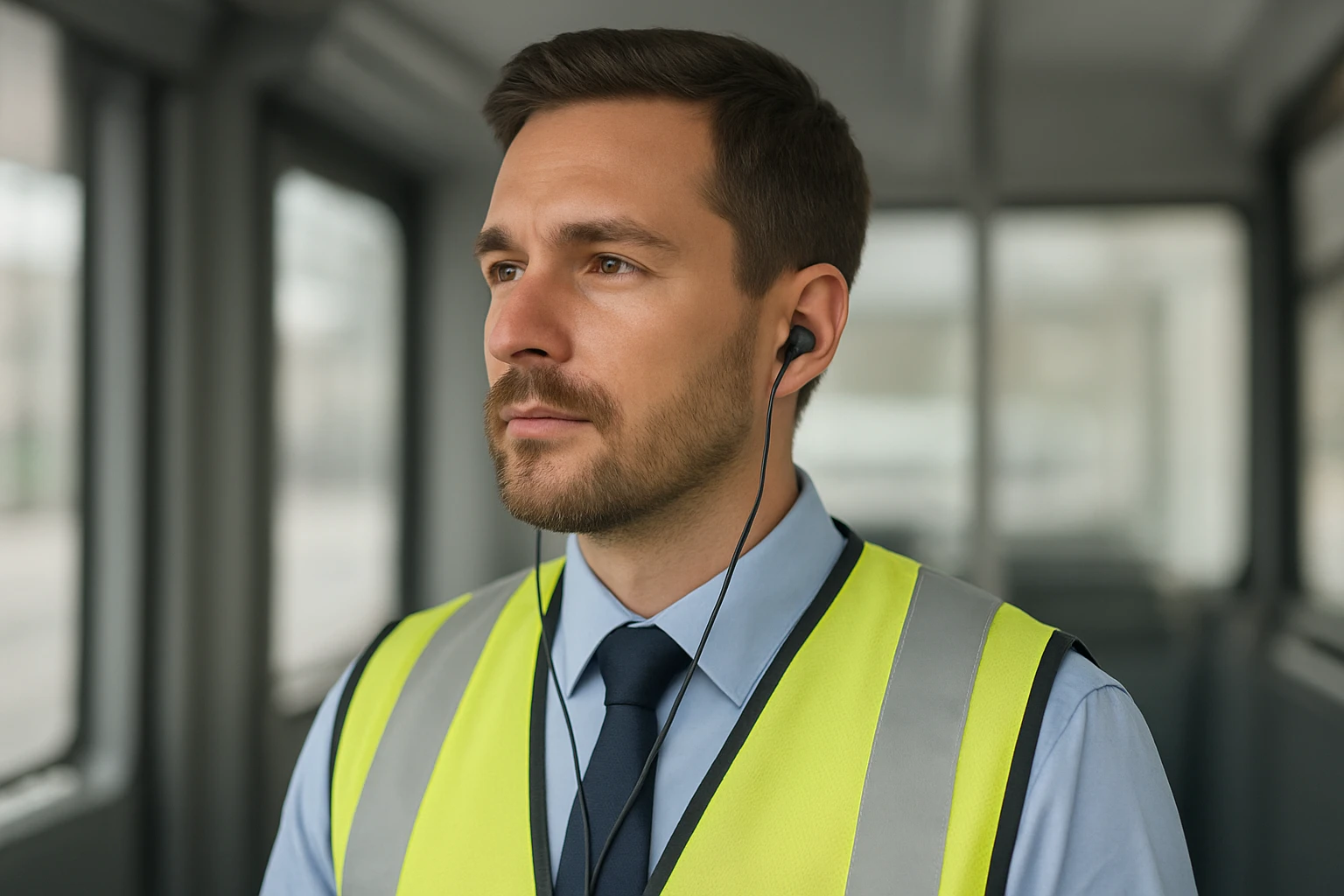
Transit employees rely on clear audio communication to coordinate movements, respond to emergencies, and provide passenger assistance. This guide explains the essential concepts, evaluates key product features, and offers actionable recommendations for selecting earbuds that enhance safety while maintaining comfort during long shifts. Readers will learn how noise‑cancelling technology, battery life, and connectivity impact operational efficiency. The information presented balances technical depth with practical advice suitable for an intermediate audience.
Background and Context
Modern public transportation systems integrate radio dispatch, voice‑over‑IP, and mobile alerts to keep crews informed. In noisy environments such as subway cars, bus depots, or airport terminals, ambient sound can obscure critical messages. Consequently, personal audio devices that filter out background noise while delivering clear speech have become indispensable. Understanding the principles of active noise cancellation (ANC), Bluetooth multipoint pairing, and ergonomic design is necessary before evaluating specific products.
Active noise cancellation works by using microphones to capture external sound, generating an inverse sound wave, and thus reducing perceived noise. Hybrid ANC combines feed‑forward and feed‑back microphones for broader frequency coverage, which is particularly useful for low‑frequency engine rumble and high‑frequency chatter. Battery longevity is another vital factor because transit workers often work 10‑hour shifts without convenient charging stations. Finally, comfort features such as memory‑foam ear cushions reduce fatigue during prolonged wear.
Understanding Noise‑Cancelling Communication Devices
Noise‑cancelling earbuds can be categorized into three primary groups: passive isolation, hybrid active cancellation, and pure active cancellation. Passive isolation relies on physical barriers to block sound, which may be insufficient in high‑traffic corridors. Hybrid active cancellation, as employed by the Soundcore Q30, uses dual microphones to achieve up to 95% reduction of low‑frequency ambient noise. Pure active cancellation typically targets a narrower frequency range and may require a wired connection, limiting mobility.
For transit employees, hybrid ANC offers the best compromise between noise reduction and flexibility. The ability to switch between modes—Transport, Outdoor, and Indoor—allows users to tailor the experience to the acoustic profile of a subway car, a city bus, or a crowded station platform. Additionally, Bluetooth multipoint connectivity enables simultaneous pairing with a dispatch radio and a mobile device, reducing the need to switch devices during critical moments.
Integrating Headsets into Transit Safety Protocols
When introducing earbuds into a safety communication workflow, agencies should establish clear procedures. First, devices must be paired with the official dispatch system and tested for latency, ensuring that voice commands are transmitted without perceptible delay. Second, staff should be trained to activate the appropriate ANC mode based on their current environment, as the wrong setting can either over‑filter important alerts or under‑filter background noise. Third, regular maintenance checks—including battery health assessments and ear‑cup inspections—prevent unexpected failures during peak service periods.
Documentation of device assignment, serial numbers, and user responsibilities supports accountability and simplifies troubleshooting. Agencies may also consider integrating the headset’s companion app to adjust equalizer settings, which can enhance speech intelligibility for users with hearing sensitivities. By embedding these practices into standard operating procedures, transit authorities can maximize the safety benefits of modern audio technology.
Product Recommendation: Soundcore Q30
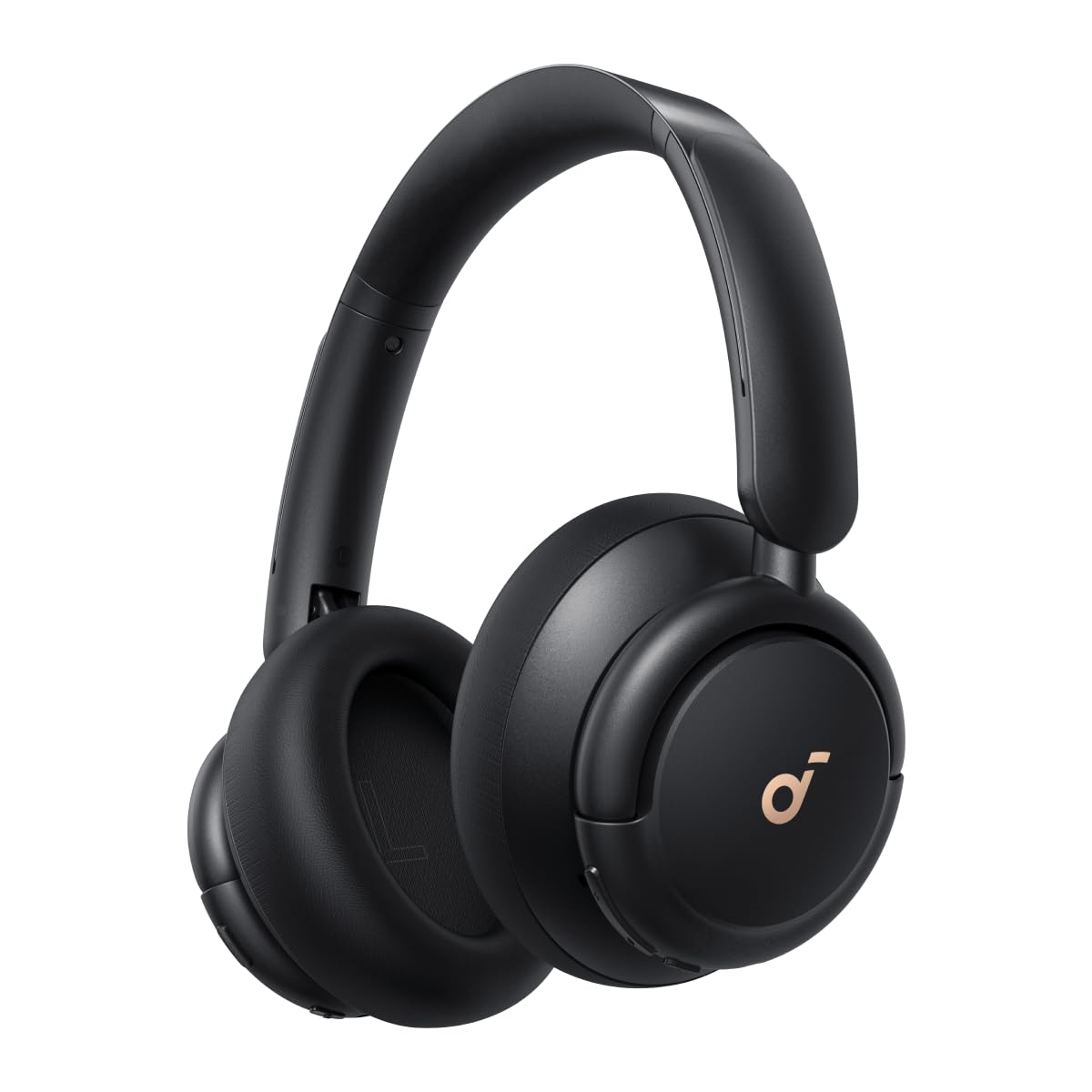
The Soundcore Q30 is a hybrid active noise‑cancelling headphone that aligns closely with the requirements of transit personnel. Priced at $79.99, it offers a compelling value proposition compared with premium alternatives that often exceed $200. The device holds a rating of 4.4 out of 5 stars based on 94,870 reviews, indicating broad consumer satisfaction.
- Hybrid ANC Technology: Dual microphones filter up to 95% of low‑frequency noise, providing a focused listening environment.
- Three Customizable Modes: Transport mode reduces engine rumble, Outdoor mode mitigates traffic and wind, and Indoor mode dampens office‑type chatter.
- Hi‑Res Audio: 40 mm drivers with silk diaphragms reproduce frequencies up to 40 kHz, delivering detailed sound for both music and spoken alerts.
- Extended Battery Life: Up to 50 hours of playback with ANC active; a rapid 5‑minute charge yields four additional hours.
- Comfort‑Focused Design: Protein‑leather earcups and memory‑foam padding ensure pressure‑free wear during long shifts.
- Bluetooth Multipoint: Simultaneous connection to two devices simplifies coordination between dispatch radios and smartphones.
These specifications make the Soundcore Q30 a practical choice for employees who need reliable noise reduction, long‑lasting power, and comfort without excessive expense. The companion app allows custom equalizer presets, enabling users to emphasize voice frequencies for clearer communication.
Comparison and Selection Guide
The following table compares the Soundcore Q30 with two representative alternatives often considered for transit use. The criteria focus on factors that directly affect safety communication.
| Feature | Soundcore Q30 | Premium Brand X | Budget Brand Y |
|---|---|---|---|
| Price (USD) | $79.99 | $199.99 | $49.99 |
| ANC Effectiveness | Hybrid, up to 95% low‑freq reduction | Hybrid, up to 98% low‑freq reduction | Passive isolation only |
| Battery Life (ANC on) | 50 hours | 30 hours | 20 hours |
| Fast Charge (5 min) | 4 hours | 2 hours | Not available |
| Multipoint Bluetooth | Yes | Yes | No |
| Comfort Rating (user surveys) | 9/10 | 9.5/10 | 7/10 |
| App EQ Customization | Yes | Yes | No |
| Average Rating | 4.4/5 (94,870 reviews) | 4.6/5 (12,340 reviews) | 3.9/5 (5,210 reviews) |
When selecting a device, transit managers should prioritize hybrid ANC, battery endurance, and multipoint connectivity. The Soundcore Q30 meets these priorities while remaining cost‑effective, making it suitable for large‑scale deployment.
Best Practices & Tips
- Activate the appropriate ANC mode before entering a noisy environment to avoid missing critical dispatch messages.
- Perform a quick latency test by speaking into the dispatch radio and confirming that the audio is heard without delay on the headset.
- Schedule a weekly charge cycle that includes a brief 5‑minute fast charge to guarantee at least four hours of backup power during unexpected overtime.
- Clean the earcup cushions with a mild disinfectant to maintain hygiene, especially during flu season.
- Utilize the companion app to create a “Speech Boost” equalizer preset that emphasizes frequencies between 1 kHz and 4 kHz, where most human speech resides.
- Document any firmware updates and apply them during off‑peak hours to ensure continued compatibility with dispatch systems.
Frequently Asked Questions
- Can the Soundcore Q30 be used with a wired connection while ANC is active?
- No, the ANC feature is disabled when an AUX cable is connected, as specified by the manufacturer.
- Is the device compatible with standard two‑way radios used by transit agencies?
- Yes, the Bluetooth multipoint capability allows simultaneous pairing with a two‑way radio that supports Bluetooth, or the radio can be connected via a compatible adapter.
- How does the fast‑charge function impact battery health over time?
- The fast‑charge cycle is designed for occasional use and does not significantly degrade battery capacity when combined with regular full‑charge cycles.
- What is the recommended cleaning method for the ear cushions?
- Wipe the cushions with a soft, slightly damp cloth containing a mild antiseptic solution; avoid submerging the headphones in water.
- Can the equalizer settings be saved and shared across multiple devices?
- Yes, the Soundcore app stores presets in the cloud, allowing users to retrieve their custom settings on any paired device.
- Does the device support voice‑assistant activation?
- Yes, the headphones are compatible with major voice assistants such as Siri, Google Assistant, and Alexa, which can be useful for hands‑free operation.
Conclusion
The integration of high‑quality earbuds into transit safety communication protocols can markedly improve message clarity, reduce auditory fatigue, and enhance overall operational efficiency. By understanding the underlying technology, applying structured selection criteria, and following best‑practice maintenance routines, agencies can ensure that their workforce remains connected and safe. The Soundcore Q30 exemplifies a balanced solution that meets performance, comfort, and budget requirements, making it an optimal choice for large‑scale implementation.
Products Featured in This Guide
Soundcore Q30
Price: $79.99
Rating: 4.4/5 (94,870 reviews)
Featured because it provides hybrid active noise cancellation, three customizable modes, 50‑hour battery life, and comfortable ergonomics at a price point suitable for bulk procurement by transit agencies.