Introduction
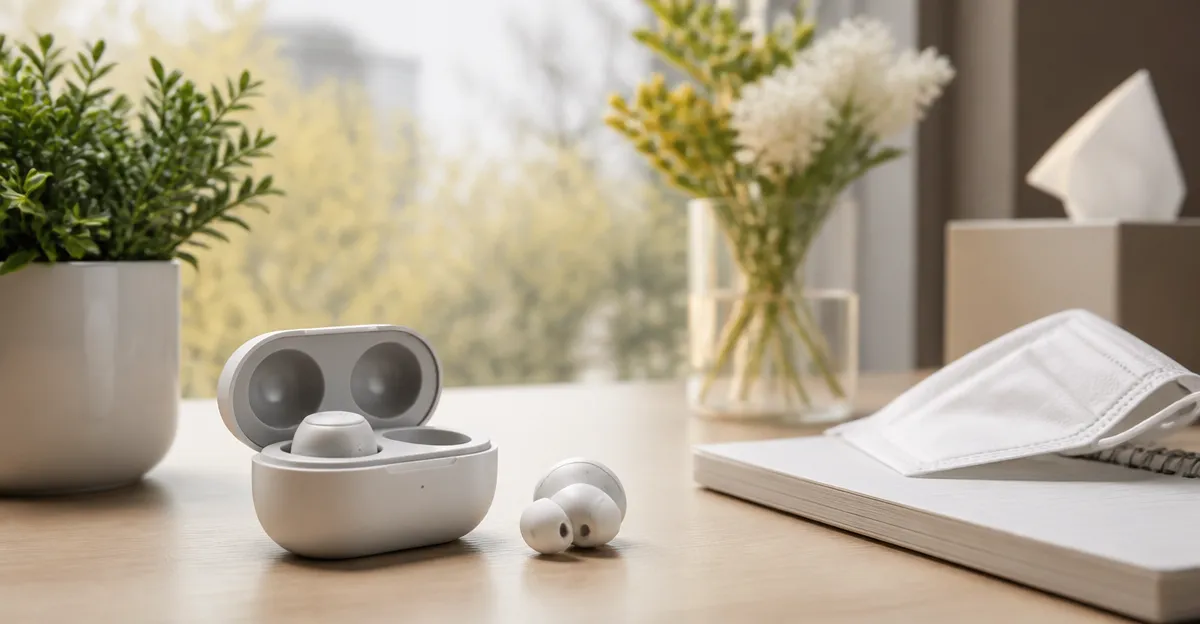
Allergy season presents unique challenges for individuals who rely on earbuds for music, podcasts, or calls. The increase in airborne pollen, dust, and other irritants can exacerbate ear sensitivities, making it essential to select hypoallergenic devices and maintain rigorous hygiene. This guide will equip readers with the knowledge to choose suitable earbuds, implement effective cleaning routines, and care for their auditory health throughout the year. By the end of the article, one will understand key considerations, compare top products, and apply best‑practice tips for lasting comfort.
Background/Context
Hypoallergenic earbuds are designed using materials that minimize allergic reactions, such as medical‑grade silicone, titanium, or coated plastics. These materials reduce the likelihood of skin irritation, contact dermatitis, and microbial growth. In addition, the ear canal’s natural flora can be disrupted by moisture and debris, especially when allergens accumulate on device surfaces. Regular cleaning not only preserves sound quality but also prevents the buildup of pollen, sweat, and bacteria that could trigger discomfort.
Understanding the anatomy of the outer ear helps in selecting appropriate accessories. The auricle and ear canal are lined with delicate skin that can react to harsh chemicals; therefore, cleaning solutions must be alcohol‑free and gentle. Moreover, many users employ hearing aids or assistive listening devices, which share similar cleaning needs with earbuds. Integrating proven hygiene products into a routine ensures both earbuds and hearing aids remain safe and functional.
Choosing Hypoallergenic Earbuds
When evaluating earbuds for allergy‑prone individuals, consider the following criteria:
- Material composition: Look for medical‑grade silicone, hypoallergenic plastics, or titanium frames.
- Ventilation design: Devices with vented tips reduce moisture buildup, limiting fungal growth.
- Fit options: Multiple ear tip sizes allow a secure fit without excessive pressure, decreasing skin irritation.
- Ease of cleaning: Removable tips and smooth surfaces simplify maintenance.
Brands often highlight these features in product specifications, but independent reviews can reveal real‑world performance. For users who also require hearing aid accessories, integrating cleaning tools can streamline care.
One practical recommendation is the BOCOKO Hearing Aid Wipes. Although marketed for hearing aids, these wipes are ideal for cleaning earbuds because they are alcohol‑free, safe for silicone and plastic, and individually packaged for daily use. Each pack contains 120 wipes, providing a two‑month supply for routine maintenance.
Cleaning and Maintenance Strategies
Effective cleaning involves a two‑step approach: surface cleaning and deep cleaning. Surface cleaning should be performed after each use to remove sweat, earwax, and environmental particles. Deep cleaning, conducted weekly, addresses buildup within vents and crevices.
For surface cleaning, a gentle mist can loosen debris before wiping. The EAR CLEAR SPRAY Ear Cleaner offers a plant‑based, alcohol‑free formula that hydrates the outer ear while removing pollen and dust. Its ultra‑fine mist ensures even coverage without leaving residue, making it suitable for both earbuds and the surrounding ear skin.
After misting, use a BOCOKO Hearing Aid Wipe to gently rub the earbud tips and housing. The included cleaning brush and vent cleaner can reach recessed areas, while the microfiber cloth polishes the exterior. This combination of products provides a comprehensive cleaning regimen that respects hypoallergenic requirements.
Comparison/Selection Guide
| Feature | BOCOKO Hearing Aid Wipes | EAR CLEAR SPRAY Ear Cleaner |
|---|---|---|
| Primary Use | Wipes for cleaning hearing aids, earbuds, headphones | Liquid spray for ear canal hygiene and surface cleaning |
| Material Safety | Alcohol‑free, safe for rubber, silicone, plastic | Plant‑based, free from harsh chemicals and synthetic fragrances |
| Quantity | 120 individually wrapped wipes (≈60 days) | 30 ml bottle (≈30‑40 uses) |
| Additional Tools | Cleaning brush, vent cleaner, microfiber cloth | Ergonomic 360° nozzle for fine mist |
| Price | $14.39 | $17.99 |
| Rating | Not rated | 5/5.0 (2 reviews) |
Both products complement each other: the spray loosens contaminants, while the wipes and accessories remove them safely. Users seeking a quick daily routine may favor the spray alone, whereas those desiring thorough weekly care should incorporate both items.
Best Practices & Tips
- Perform a quick wipe after each listening session using a BOCOKO Hearing Aid Wipe to prevent sweat buildup.
- Schedule a deeper cleaning once per week: mist the earbuds with EAR CLEAR SPRAY, let it sit for 30 seconds, then use the vent cleaner and brush to dislodge particles.
- Avoid using cotton swabs inside the ear canal, as they can push wax deeper and irritate sensitive skin.
- Store earbuds in a dry, dust‑free case when not in use; consider a case with antimicrobial lining for added protection.
- Replace ear tips every three to six months, or sooner if discoloration or deformation occurs.
Frequently Asked Questions
1. Are hypoallergenic earbuds necessary for everyone with allergies?
While not mandatory, hypoallergenic materials reduce the risk of irritation for individuals who experience skin sensitivity or frequent ear infections. They also simplify cleaning, which is beneficial during high pollen periods.
2. Can I use regular alcohol wipes on my earbuds?
No. Alcohol can degrade silicone and plastic components, leading to cracks or discoloration. It may also dry out the skin around the ear, worsening irritation.
3. How often should I replace the cleaning wipes?
Each BOCOKO Hearing Aid Wipe is designed for a single use. Replace the wipe after each cleaning session to maintain hygiene and prevent cross‑contamination.
4. Is the EAR CLEAR SPRAY safe for use with hearing aids?
Yes. Its alcohol‑free, plant‑based formula is safe for both hearing aid housings and the surrounding skin. However, avoid directing the spray directly into the hearing aid’s internal components.
5. What signs indicate my earbuds need professional servicing?
Persistent muffled sound, visible corrosion, or recurring skin irritation despite regular cleaning suggest a need for professional inspection or replacement.
6. Can I use these cleaning products on other audio accessories?
Absolutely. Both the wipes and spray are suitable for headphones, earphones, AirPods, and any device with silicone or plastic surfaces.
7. Does the spray leave any residue that could affect sound quality?
No. The mist evaporates quickly, leaving no oily or greasy residue, thereby preserving acoustic performance.
Conclusion
Choosing hypoallergenic earbuds and maintaining them with appropriate cleaning tools are essential steps for comfort during allergy season. By selecting devices made from safe materials, employing the BOCOKO Hearing Aid Wipes for daily surface cleaning, and using the EAR CLEAR SPRAY for gentle misting, users can minimize irritation and extend the lifespan of their audio equipment. Consistent care, combined with the best‑practice tips outlined above, ensures a pleasant listening experience even when pollen counts are high.
Products Featured in This Guide
BOCOKO Hearing Aid Wipes
Price: $14.39
Rating: Not rated
Why featured: Provides alcohol‑free, individually wrapped wipes safe for silicone earbuds, includes a brush, vent cleaner, and microfiber cloth for comprehensive cleaning.
EAR CLEAR SPRAY Ear Cleaner
Price: $17.99
Rating: 5/5.0 (2 reviews)
Why featured: Offers a gentle, plant‑based mist that hydrates and cleans the outer ear, compatible with hypoallergenic earbuds and hearing aids.