Ultimate Summer Commute Guide: How to Prevent Ear Infections from Earbuds
Introduction
Summer commutes often involve longer periods in hot, humid environments, and many commuters rely on earbuds to enjoy music, podcasts, or calls while traveling. This guide explains how earbuds can contribute to ear infections and provides evidence‑based strategies to protect ear health. Readers will learn about the anatomy of the ear, risk factors associated with sweat and moisture, and how to select and maintain earbuds for optimal hygiene. By the end of the article, one will be equipped with practical knowledge and product recommendations that reduce infection risk without sacrificing audio enjoyment.
Background and Context
The external auditory canal is a warm, dark space that naturally supports the growth of bacteria and fungi when moisture accumulates. Earwax, or cerumen, acts as a protective barrier, but when earbuds trap sweat and debris, the balance is disrupted, leading to otitis externa or “swimmer’s ear.” Seasonal temperature spikes increase perspiration, and closed‑in ear designs can create a micro‑environment ideal for microbial proliferation. Understanding these physiological processes is essential before implementing preventive measures.
How Earbuds Contribute to Infections
Earbuds that sit directly in the canal or rest against the outer ear can transfer sweat, oil, and environmental particles into the ear canal. Repeated insertion without cleaning introduces skin cells that become food for bacteria, especially when the earbuds are stored in a warm case. The use of non‑ventilated designs during prolonged rides exacerbates humidity, which accelerates fungal growth. Moreover, shared earbuds or those borrowed from friends increase exposure to pathogens that may not be present on an individual’s own devices.
Choosing Earbuds for Summer Conditions
When selecting earbuds for hot weather, consider designs that promote airflow and are constructed from water‑resistant materials. The Bose Ultra Open Earbuds feature an open‑ear design that leaves the ear canal unobstructed, allowing natural ventilation while delivering high‑quality sound through OpenAudio technology. They are rated 4.0 out of 5 stars based on 5,990 reviews and are priced at $199.00. Their IPX4 water‑resistance rating protects against sweat and light rain, and the flexible joint ensures a secure yet comfortable fit that does not trap moisture.
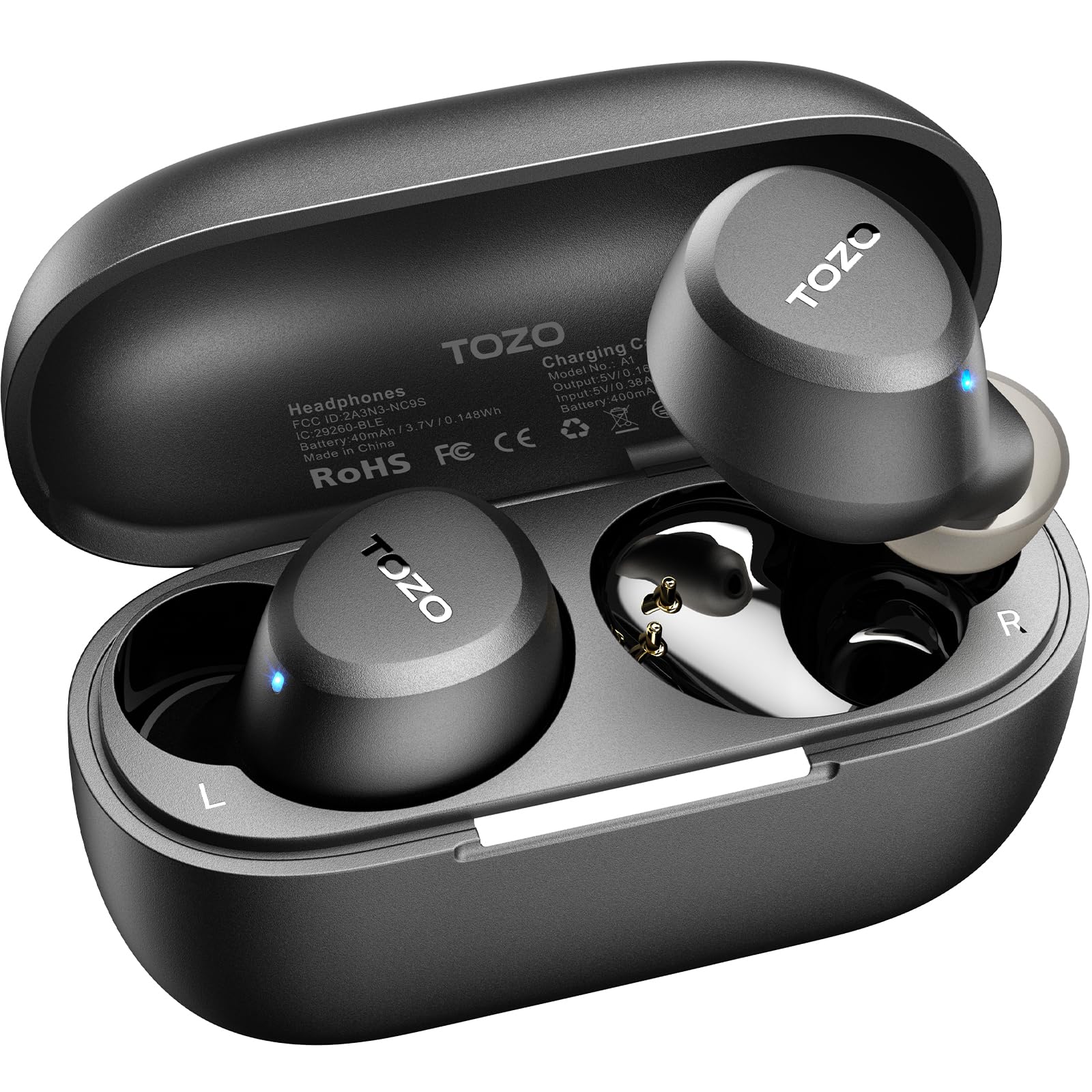
For commuters on a tighter budget, the TOZO A1 Wireless Earbuds provide a lightweight, in‑ear solution that includes an IPX5 rating, offering superior splash resistance. Priced at $12.30 and boasting a 4.3 out of 5 star rating from 114,409 reviews, these earbuds incorporate a compact ergonomic design that fits snugly in small ears, reducing the space where sweat can accumulate. Both products incorporate Bluetooth connectivity that eliminates the need for tangled cords, reducing friction‑related irritation.
Comparison and Selection Guide
| Feature | Bose Ultra Open Earbuds | TOZO A1 Wireless Earbuds |
|---|---|---|
| Design Type | Open‑ear, clip‑on | In‑ear, ergonomic |
| Water Resistance | IPX4 (sweat and light rain) | IPX5 (water jets, sweat) |
| Battery Life (playtime) | Up to 7.5 hrs (4.5 hrs with Immersive Audio) | Up to 7 hrs |
| Charging Case Capacity | Additional 19.5 hrs | Up to 32 hrs total |
| Price | $199.00 | $12.30 |
| Average Rating | 4.0 / 5 (5,990 reviews) | 4.3 / 5 (114,409 reviews) |
Consumers who prioritize acoustic immersion and an open‑air listening experience should consider the Bose model, especially if they commute on public transport where ambient awareness is valuable. Those who need a compact, budget‑friendly option for short rides or gym sessions may find the TOZO model more appropriate. The decision matrix should weigh factors such as fit, water resistance, battery endurance, and price.
Cleaning and Maintenance Routines
Regular cleaning is the most effective method to prevent ear infections. After each commute, remove any visible debris from the earbuds using a soft, dry brush or a lint‑free cloth. For the Bose Ultra Open Earbuds, wipe the acoustic mesh with a slightly dampened microfiber cloth, taking care not to let moisture enter the internal components. The TOZO A1 earbuds can be cleaned by gently pulling the silicone tips and rinsing them under lukewarm water; ensure they are completely dry before re‑inserting.
Disinfecting the surface once a week with a 70 % isopropyl alcohol solution reduces bacterial load without damaging the silicone or mesh. Store earbuds in a ventilated case rather than a sealed pouch to allow residual moisture to evaporate. When the charging case is used, periodically clean the interior contacts with a dry cotton swab to maintain optimal charging performance.
Environmental Strategies for Summer Commutes
Heat and humidity are unavoidable during summer, but commuters can adopt habits that mitigate their impact on ear health. Wearing a lightweight, breathable headband or hat can absorb sweat before it reaches the earbuds. Choosing routes with shaded sections or using public transit air conditioning reduces overall perspiration. If possible, schedule short breaks to allow ears to air out, especially after intense physical activity such as cycling.
In addition to personal habits, consider accessories that enhance airflow. Earbud sleeves made of moisture‑wicking fabric can be placed over the ear tips of in‑ear models, drawing sweat away from the canal. For open‑ear designs, the clip mechanism should be adjusted to avoid excessive pressure that could compress the skin and impede ventilation.
Best Practices & Tips
- Never share earbuds without cleaning them first; shared use increases pathogen transmission.
- Limit continuous wear to 60 minutes; give the ears a break to dry and recover.
- Replace silicone or foam tips every three months, or sooner if they become discolored or deformed.
- Use a dedicated cleaning kit that includes a soft brush, alcohol wipes, and a dry cloth.
- When traveling, keep a small disinfecting wipe in your bag for quick on‑the‑go cleaning.
Frequently Asked Questions
- Can earwax buildup cause infections when using earbuds? Yes; earwax can trap sweat and bacteria when earbuds block the canal, creating an environment conducive to infection.
- Are open‑ear designs safer than in‑ear designs? Open‑ear designs such as the Bose Ultra Open Earbuds allow better airflow, reducing moisture accumulation, but they must still be cleaned regularly.
- How often should I clean my earbuds? A light wipe after each use and a thorough cleaning with alcohol once per week are recommended.
- Is it necessary to use a case with a ventilation feature? Yes; cases that allow air circulation prevent the buildup of humidity inside the charging compartment.
- Can I use ear drops while wearing earbuds? It is advisable to apply ear drops after removing the earbuds and allowing the ear to dry completely.
- Do cheaper earbuds pose a higher infection risk? Price does not directly determine infection risk; design, water resistance, and cleaning practices are more critical factors.
- What signs indicate an ear infection? Pain, itching, discharge, reduced hearing, and a feeling of fullness are common symptoms that warrant medical attention.
Conclusion
Preventing ear infections during summer commutes requires a combination of informed product selection, diligent hygiene, and environmental awareness. By choosing earbuds that promote ventilation, such as the Bose Ultra Open Earbuds, or opting for water‑resistant models like the TOZO A1 Wireless Earbuds, one can enjoy high‑quality audio while minimizing health risks. Consistent cleaning, strategic breaks, and proper storage complete a comprehensive preventive strategy. Implementing these practices will enable commuters to travel comfortably, safely, and with clear sound throughout the warm season.
Products Featured in This Guide
Bose Ultra Open Earbuds
Price: $199.00
Rating: 4.0 out of 5 stars (5,990 reviews)
Featured because its open‑ear, IPX4‑rated design promotes airflow and reduces moisture buildup, making it ideal for hot‑weather commutes.
TOZO A1 Wireless Earbuds
Price: $12.30
Rating: 4.3 out of 5 stars (114,409 reviews)
Featured because its lightweight, IPX5‑rated construction offers excellent sweat resistance at an affordable price, suitable for budget‑conscious commuters.
