Introduction
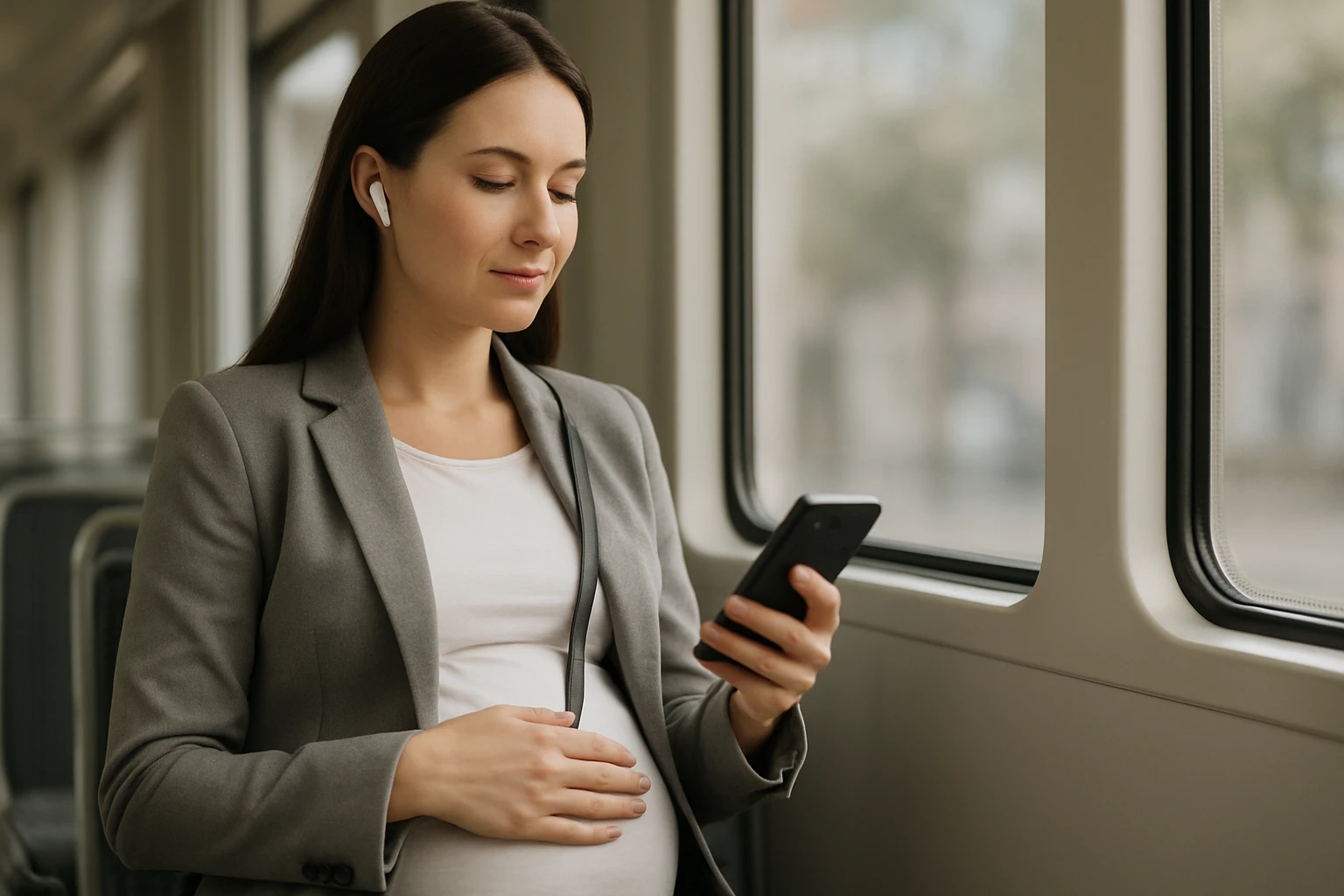
Pregnant commuters often seek audio solutions that combine comfort, safety, and effective noise reduction. This guide explains the essential factors to consider, presents evidence‑based recommendations, and highlights three earbuds that excel in these areas. Readers will learn how to evaluate active noise cancelling (ANC) performance, ergonomic design, battery longevity, and health‑related safety features. The article also provides a practical comparison chart, best‑practice tips, and answers to frequently asked questions.
Background and Context
During pregnancy, heightened sensitivity to sound and the need for frequent breaks can make commuting stressful. Prolonged exposure to loud environments may increase stress hormones, which some studies suggest could affect fetal development. Therefore, selecting earbuds that reduce ambient noise without delivering excessive sound pressure is crucial. In addition, ergonomic fit reduces pressure on the ear canal, preventing discomfort during long journeys. Modern true‑wireless earbuds incorporate Bluetooth 5.3 or higher, ensuring stable connections even in crowded transit systems.
Key Considerations for Pregnant Commuters
Three primary criteria guide the selection process: noise‑cancelling capability, comfort and fit, and battery safety. Noise‑cancelling technology should provide at least 40 dB reduction to mask train or highway noise while allowing a transparent mode for safety‑critical awareness. Comfort hinges on multiple ear‑tip sizes, lightweight housings, and pressure‑relief designs. Battery safety includes fast charging, low‑heat operation, and clear battery‑level indicators to avoid over‑charging during short trips.
Noise‑Cancelling Technology Explained
Hybrid ANC combines feed‑forward microphones that capture external sound with feed‑back microphones inside the earbud. The processor then generates an inverse waveform to cancel the noise. Products such as TOZO NC9 Earbuds claim up to 45 dB reduction, while Soundcore P31i Earbuds advertise 52 dB reduction with adaptive algorithms. The higher the dB reduction, the more tranquil the commuting environment, which can lower stress levels for expectant mothers.
Comfort and Fit for Extended Use
Ergonomic design is paramount when wearing earbuds for several hours. The TOZO NC9 provides six interchangeable ear‑caps, enabling a secure seal without excessive pressure. The Soundcore P31i offers four tip sizes, including an extra‑small option for narrow ear canals. The Raycon Everyday Earbuds feature lightweight housings and an IPX4 rating, ensuring they remain comfortable during movement. Selecting the correct tip size prevents ear fatigue and reduces the risk of irritation, which is especially important when hormonal changes increase skin sensitivity.
Battery Life, Charging, and Safety
Long battery life reduces the need for frequent charging, which can be inconvenient during pregnancy. The TOZO NC9 delivers up to 60 hours of total playback with ANC off, while the Soundcore P31i provides 50 hours with the charging case and 8 hours with ANC active. Raycon Everyday Earbuds offer 32 hours total, with an 8‑hour playtime from the earbuds alone. Fast‑charging capabilities—such as a 10‑minute charge granting 3.5 hours of use in the Soundcore model—ensure that short charging windows do not disrupt daily routines.
Product Recommendations
Based on the criteria above, the following earbuds are recommended for pregnant commuters:
- TOZO NC9 Earbuds – Hybrid ANC (45 dB), six ear‑tip sizes, IPX8 water resistance, 60 hours total playtime, price $27.99, rating 4.3/5 from 42,018 reviews.
- Soundcore P31i Earbuds – Adaptive ANC (52 dB), real‑time AI translation, LDAC Hi‑Res audio, 50 hours total playtime, price $36.99, rating 4.5/5 from 3,293 reviews.
- Raycon Everyday Earbuds – Active Noise Cancellation, IPX4 sweat resistance, 32 hours total playtime, price $67.99, rating 4.3/5 from 29,795 reviews.
Comparison and Selection Guide
| Feature | TOZO NC9 | Soundcore P31i | Raycon Everyday |
|---|---|---|---|
| ANC Reduction | 45 dB | 52 dB (adaptive) | Variable (active) |
| Fit Options | Six tip sizes | Four tip sizes | Multiple tip sizes |
| Battery (ANC on) | 40 hours | 8 hours | 8 hours |
| Water Resistance | IPX8 | IP55 | IPX4 |
| Price | $27.99 | $36.99 | $67.99 |
| Rating | 4.3/5 | 4.5/5 | 4.3/5 |
Pregnant commuters who prioritize maximum ANC and budget‑friendly pricing may prefer the TOZO NC9. Those who desire adaptive ANC with translation features and Hi‑Res audio should consider the Soundcore P31i. Users who value brand reputation, sleek design, and a robust app ecosystem may find the Raycon Everyday Earbuds most suitable.
Best Practices & Tips
- Start with the transparent mode before engaging full ANC to remain aware of announcements and traffic signals.
- Adjust the EQ using the manufacturer’s app to avoid excessive bass that could increase perceived volume and stress.
- Replace ear‑tips regularly; silicone degrades over time, which can affect seal quality and comfort.
- Charge the case to at least 20 % before a long commute to ensure uninterrupted playback.
- Maintain a moderate listening level (below 85 dB) to protect both maternal hearing and fetal development.
Frequently Asked Questions
Can ANC earbuds be used safely during pregnancy?
Yes, provided the volume is kept within safe limits and the earbuds are not worn continuously for more than a few hours without a break. ANC reduces external noise, allowing lower volume settings.
Do I need a specific Bluetooth version?
Bluetooth 5.0 or higher offers improved range and lower power consumption, which is beneficial for commuters who move between subway cars and outdoor stations.
How often should I clean my earbuds?
Clean the ear‑tips with a soft, dry cloth after each use and disinfect the housing with a 70 % isopropyl solution once a week to prevent bacterial growth.
Is there a risk of radiation exposure?
True‑wireless earbuds emit low‑power radiofrequency energy well below regulatory limits, making them safe for daily use during pregnancy.
What is the advantage of an app‑controlled EQ?
An app‑controlled EQ allows personalized sound profiles, which can reduce the need for high volume levels and improve overall listening comfort.
Conclusion
Choosing earbuds that balance effective noise cancellation, ergonomic comfort, and battery safety can transform the commuting experience for pregnant individuals. By evaluating ANC performance, fit options, and battery specifications, one can select a model that supports well‑being and productivity. The three products highlighted in this guide each excel in different aspects, enabling readers to match a device with personal priorities.
Products Featured in This Guide
TOZO NC9 Earbuds
Price: $27.99 | Rating: 4.3/5 (42,018 reviews)
Featured for its hybrid ANC (45 dB), six interchangeable ear‑tips, IPX8 water resistance, and exceptional battery life, making it an affordable yet powerful choice for pregnant commuters.
Soundcore P31i Earbuds
Price: $36.99 | Rating: 4.5/5 (3,293 reviews)
Featured for its adaptive ANC up to 52 dB, real‑time AI translation, LDAC Hi‑Res audio, and robust app ecosystem, providing a premium experience for tech‑savvy commuters.
Raycon Everyday Earbuds
Price: $67.99 | Rating: 4.3/5 (29,795 reviews)
Featured for its sleek design, reliable active noise cancellation, IPX4 sweat resistance, and long‑lasting battery, ideal for commuters who value style and durability.