Introduction
The modern commuter often relies on earbuds to consume audio while navigating public transportation. One of the most common frustrations is a loose or uncomfortable fit, especially for users with smaller ear canals. This guide explains how to assess ear size, select appropriate accessories, and create a custom‑molded solution that remains secure during daily travel. Readers will acquire practical skills that reduce ear fatigue and improve sound isolation without requiring professional equipment.
What You’ll Need
- Silicone replacement ear tips compatible with Beats Powerbeats Pro, Beats X, or UrBeats.
- A dual‑head cleaning pen with sponge, flocked tip, and metal nib.
- Soft modeling clay or food‑grade silicone putty for temporary molds.
- Small tweezers, a magnifying lamp, and a clean work surface.
- Optional: a small digital caliper for precise measurement.
All of the silicone accessories are available in the AYNSRTN Beats Ear Tips with Cleaning Kit, which provides twelve pairs of tips in four sizes and a versatile cleaning pen.
Step 1: Assess Ear Size and Shape
Begin by examining the natural curvature of the ear canal. One should gently insert a fingertip into the outer ear to feel the depth and width of the concha; this tactile feedback informs tip selection. Using a magnifying lamp, observe the entrance of the ear canal to identify any irregularities such as cartilage protrusions. Record the measurements with a digital caliper if precision is required; typical small‑ear dimensions range from 8 mm to 10 mm in diameter.
Step 2: Select Appropriate Ear Tips
Based on the assessment, choose the tip size that offers the closest match to the measured dimensions. The AYNSRTN Beats Ear Tips with Cleaning Kit includes Small (9 mm), Medium (11 mm), Large (13 mm), and Double Flange (13 mm) options, ensuring coverage for most small‑ear users. The slow‑rebound natural silicone material provides a soft, reusable surface that conforms to the ear without excessive pressure. Selecting the Double Flange size can enhance seal for users who require additional stability during vigorous movement.
Step 3: Prepare the Cleaning Pen
The cleaning pen supplied in the kit features a dual‑head hidden design with three interchangeable components: a flocked sponge for debris removal, a high‑density flocked tip for tight crevices, and a metal nib for stubborn buildup. Before molding, clean the earbud housings and the interior of the selected tips to eliminate wax or dust that could compromise fit. Gently run the sponge head along the interior surface, then use the metal nib to dislodge any residual particles. A clean environment ensures that the silicone will adhere uniformly to the ear canal.
Step 4: Mold a Custom Fit
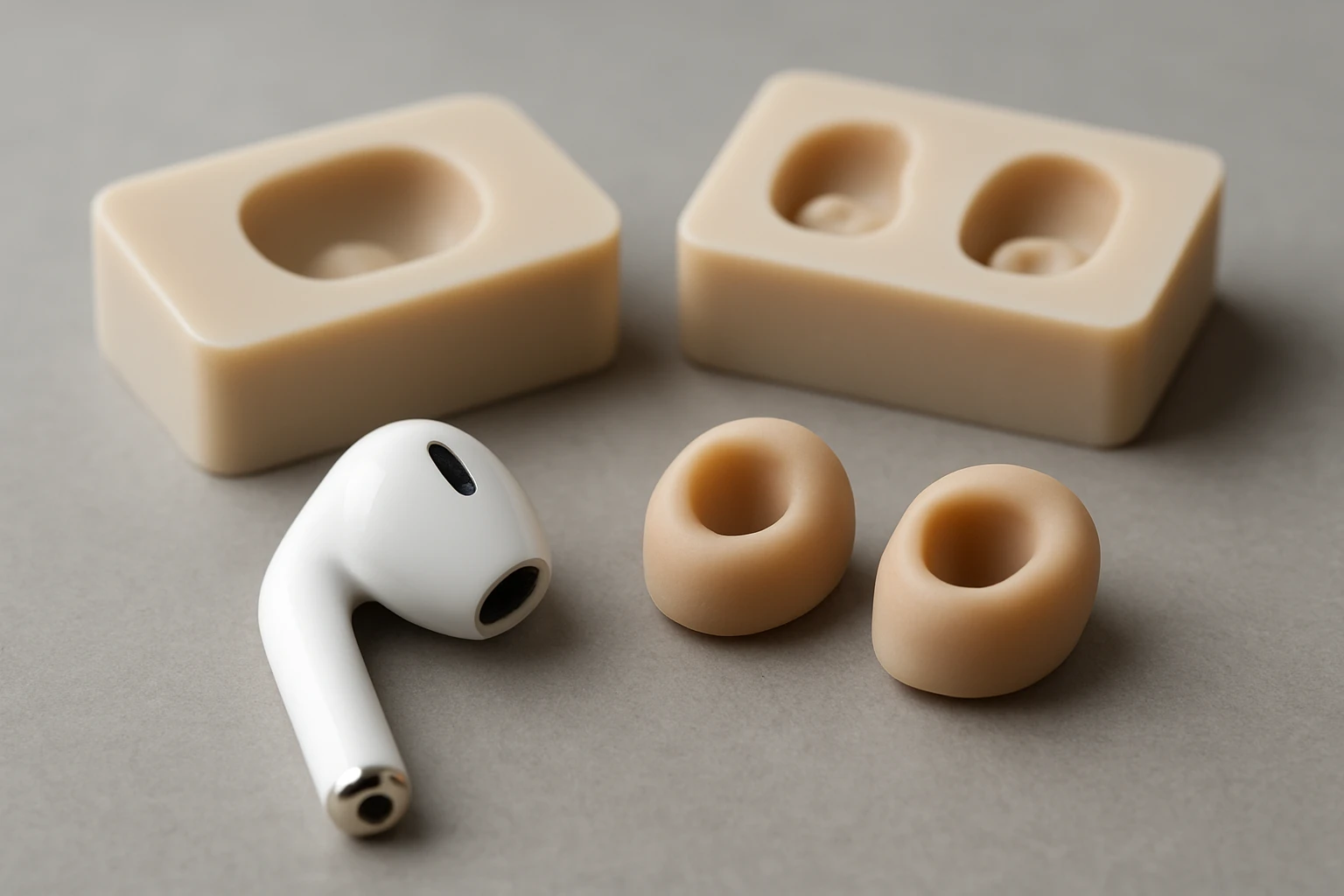
To achieve a personalized shape, employ a small amount of food‑grade silicone putty. Knead the putty until it reaches a uniform consistency, then press it gently against the inner surface of the chosen ear tip. Insert the tip into the ear canal for a brief period (approximately 30 seconds) while the putty remains pliable; this allows the material to capture the unique contours of the ear. Remove the tip, let the putty cure according to the manufacturer’s instructions (typically 5‑10 minutes), and then trim any excess with fine scissors. The resulting custom tip should sit snugly without causing discomfort.
Step 5: Secure and Test the Fit
Reattach the molded tip to the earbud and perform a quick mobility test. Walk, jog, or simulate the motion of boarding a train while listening to audio at a moderate volume. Observe whether the tip remains in place and whether any pressure points develop after several minutes of use. If slippage occurs, consider switching to the Double Flange size or re‑molding with a slightly larger volume of silicone. A secure fit will reduce ambient noise and improve bass response, enhancing the overall listening experience.
Tips & Pro Tips
- Store the cleaning pen and extra tip pairs in a small zip‑lock bag to protect them from dust.
- Rotate tip sizes weekly to allow the silicone to breathe and maintain elasticity.
- When using silicone putty, work in a well‑ventilated area to avoid inhaling any fumes.
- For extreme humidity, apply a thin layer of anti‑sweat spray to the exterior of the tip to prevent slipping.
Troubleshooting
Problem: The tip feels too tight and causes ear fatigue.
Solution: Replace the current tip with the Small size or trim the molded silicone by 1 mm increments until comfort is achieved.
Problem: Earbuds fall out during sudden movements.
Solution: Upgrade to the Double Flange tip, which provides an additional lip that locks the earbud against the concha.
Problem: Accumulation of wax reduces sound quality.
Solution: Use the flocked sponge head of the cleaning pen weekly to maintain a clear acoustic pathway.
Conclusion
By following the steps outlined above, one can create a custom earbud tip solution that offers a secure, comfortable fit for small ears, particularly during daily commutes. The process leverages inexpensive, readily available tools such as the AYNSRTN Beats Ear Tips with Cleaning Kit, while also providing the flexibility to adjust fit over time. Implementing these techniques will reduce ear fatigue, improve audio isolation, and extend the lifespan of the earbuds themselves.
Products Mentioned in This Guide
Frequently Asked Questions
How can I determine if my ear canal is too small for standard earbuds?
Measure the canal with a digital caliper or compare the fit of stock tips; a loose, painful, or constantly falling out tip indicates it’s too large.
What materials are safe for making temporary earbud molds at home?
Food‑grade silicone putty or soft modeling clay designed for skin contact are safe and easy to shape.
Do I need special tools to create a custom silicone ear tip?
A small digital caliper, tweezers, and a magnifying lamp are helpful but not required; the cleaning pen and silicone putty are sufficient.
Can I use the AYNSRTN Beats Ear Tips cleaning kit for custom molds?
Yes, the kit includes silicone tips and a cleaning pen that can be repurposed to shape and fit your custom mold.
How do I ensure my custom ear tips stay secure during commuting?
Create a snug mold that fills the ear canal without pressure, and test by moving your head; a proper fit will stay in place without causing discomfort.