How to Recycle Broken Earbuds Locally: The Complete Guide to Drop‑Off Locations, Mail‑Back Programs & DIY Recycling
Introduction
Electronic waste, even in the form of tiny broken earbuds, contributes to a growing environmental challenge. This guide explains how consumers can responsibly dispose of damaged earbuds by using local drop‑off locations, mail‑back recycling programs, and do‑it‑yourself (DIY) upcycling methods. Readers will learn the regulatory context, discover practical strategies, and receive curated product recommendations that simplify the recycling process. By the end of this article, one will possess the knowledge required to turn obsolete earbuds into a responsible recycling outcome.
Background and Context
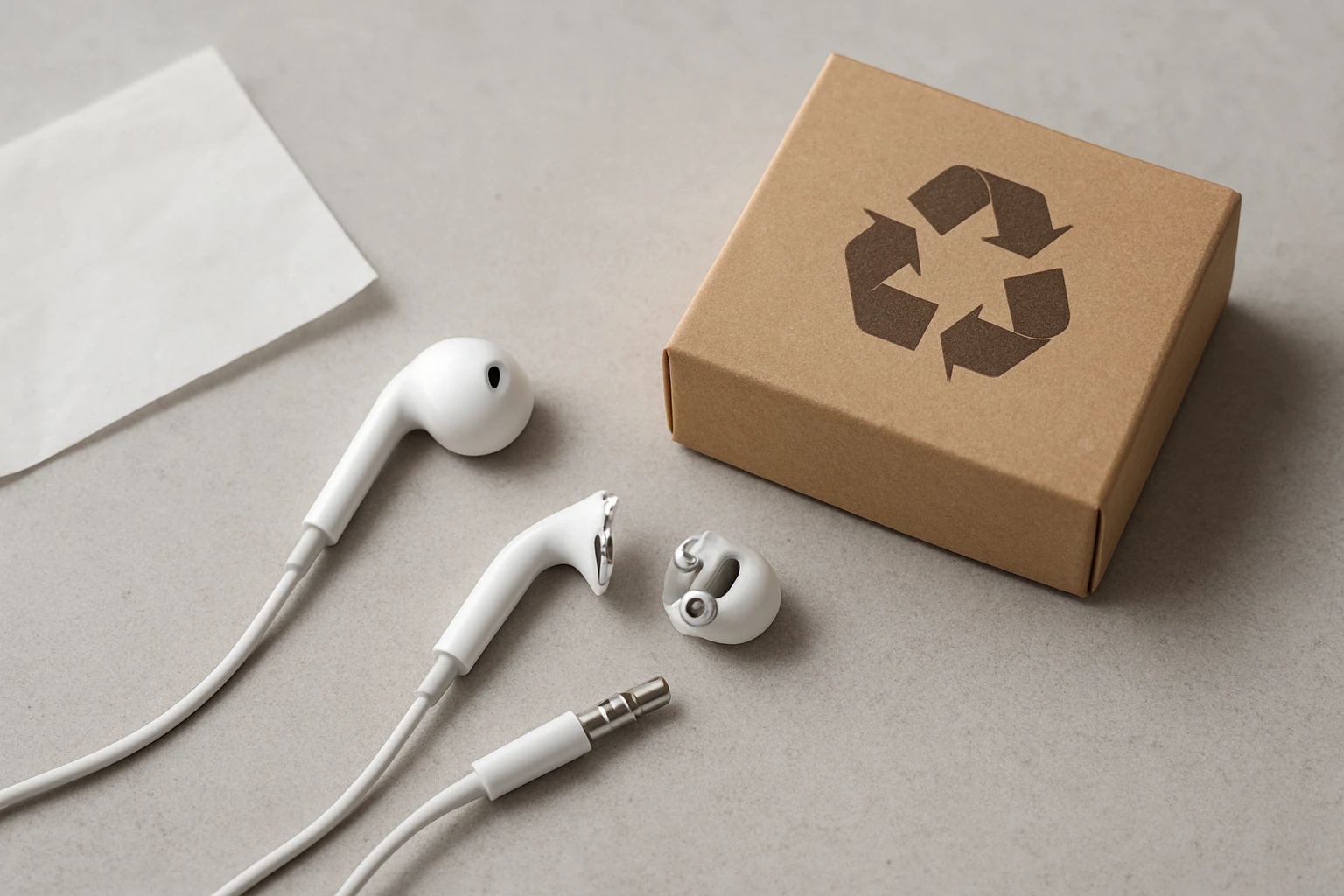
Earbuds contain a mixture of plastics, metals, batteries, and electronic components that can leach hazardous substances if placed in a landfill. In many jurisdictions, electronic waste (e‑waste) is subject to specific collection rules designed to prevent soil and water contamination. Understanding the composition of earbuds helps identify the most appropriate recycling pathway. Moreover, many municipalities partner with certified recyclers who accept small electronic items, providing convenient drop‑off options for residents.
Understanding Earbud Materials
Modern earbuds typically consist of a silicone or foam earpad, a polymer housing, copper wiring, and a miniature lithium‑ion or alkaline battery for wireless models. The polymer housing is often made from acrylonitrile butadiene styrene (ABS) or polycarbonate, both of which are recyclable when separated from electronic components. Copper wiring can be recovered and reused, while batteries require specialized handling to avoid fire risk. Recognizing these components enables users to separate materials when possible, thereby increasing the value recovered during recycling.
Local Drop‑Off Locations
Many cities operate e‑waste collection centers that accept small electronic devices, including broken earbuds. These centers typically require items to be placed in a sealed container to prevent loose parts from escaping. It is advisable to contact the local waste management authority to confirm accepted items and operating hours. For households that generate multiple electronic accessories, a sturdy recycling container can streamline the drop‑off process.
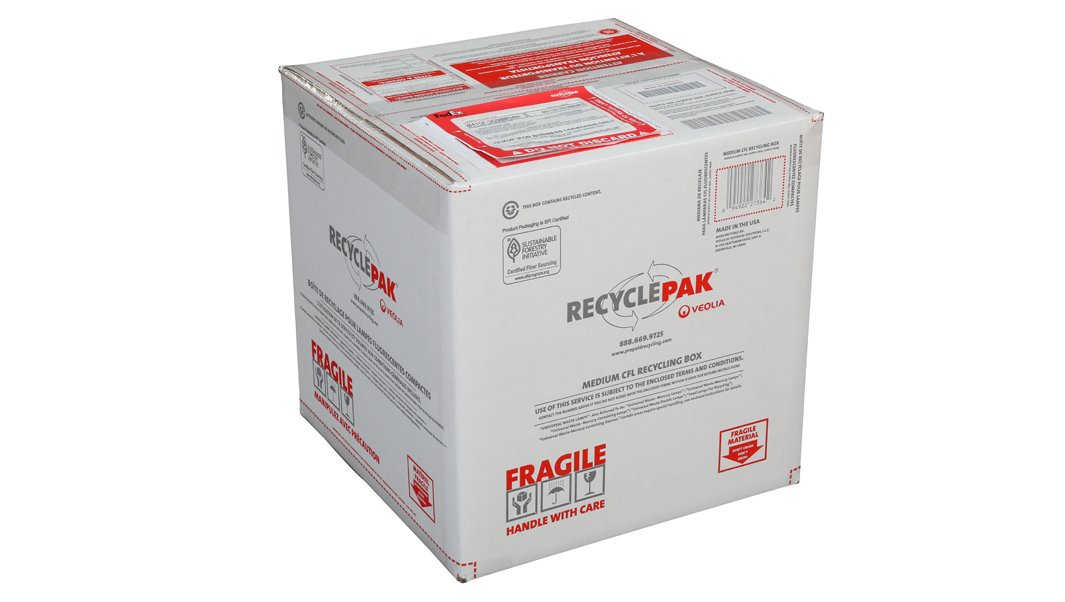
One product that facilitates safe transport of e‑waste is the Veolia CFL Recycling Box Medium. This medium‑sized box measures 15 × 15 × 15 inches, providing ample space for earbuds, chargers, and small accessories. The box is prepaid for return shipment, allowing users to send collected items to a certified recycler without additional postage. It holds a 5‑star rating based on a single review, indicating high satisfaction among early adopters. Priced at $143.80, the box represents an investment for organizations that regularly manage e‑waste.
Mail‑Back Recycling Programs
Several manufacturers and third‑party services operate mail‑back programs that accept broken earbuds. Users typically print a shipping label, pack the items securely, and drop the package at a postal outlet. These programs often provide incentives such as discount codes for future purchases, encouraging repeat participation. When selecting a mail‑back service, verify that the provider complies with the Basel Convention, which governs the transboundary movement of hazardous waste.
The EasyPak VaporShield Lamp Box offers a robust solution for shipping e‑waste. Although originally designed for lamp recycling, its reinforced construction protects delicate electronic components during transit. The box measures 4 feet in length, providing sufficient interior volume for bulk shipments. With a perfect 5‑star rating from a single reviewer, the product demonstrates reliability. At $146.00, it is a premium option for businesses or community groups that handle larger volumes of e‑waste.
DIY Recycling and Upcycling
For environmentally conscious individuals who prefer hands‑on solutions, DIY recycling can transform broken earbuds into useful items. The silicone earpads can be repurposed as small grip pads for tools, while the polymer housing can serve as protective cases for tiny screws. Copper wires, once stripped, become excellent conductive material for hobbyist electronics projects. Batteries should be stored in a fire‑resistant container and taken to a hazardous waste facility for proper disposal.
The Household Essentials Recycler Bag simplifies the collection and transport of DIY recycling materials. Constructed from durable 600D polyester and reinforced chipboard sides, the bag can hold a standard paper grocery bag liner, allowing users to separate plastics from metals. Its washable design ensures longevity even after repeated exposure to dust and debris. With a rating of 4.9 stars from 133 reviews and a price of $20.49, the bag offers excellent value for household recycling initiatives.
Product Comparison and Selection Guide
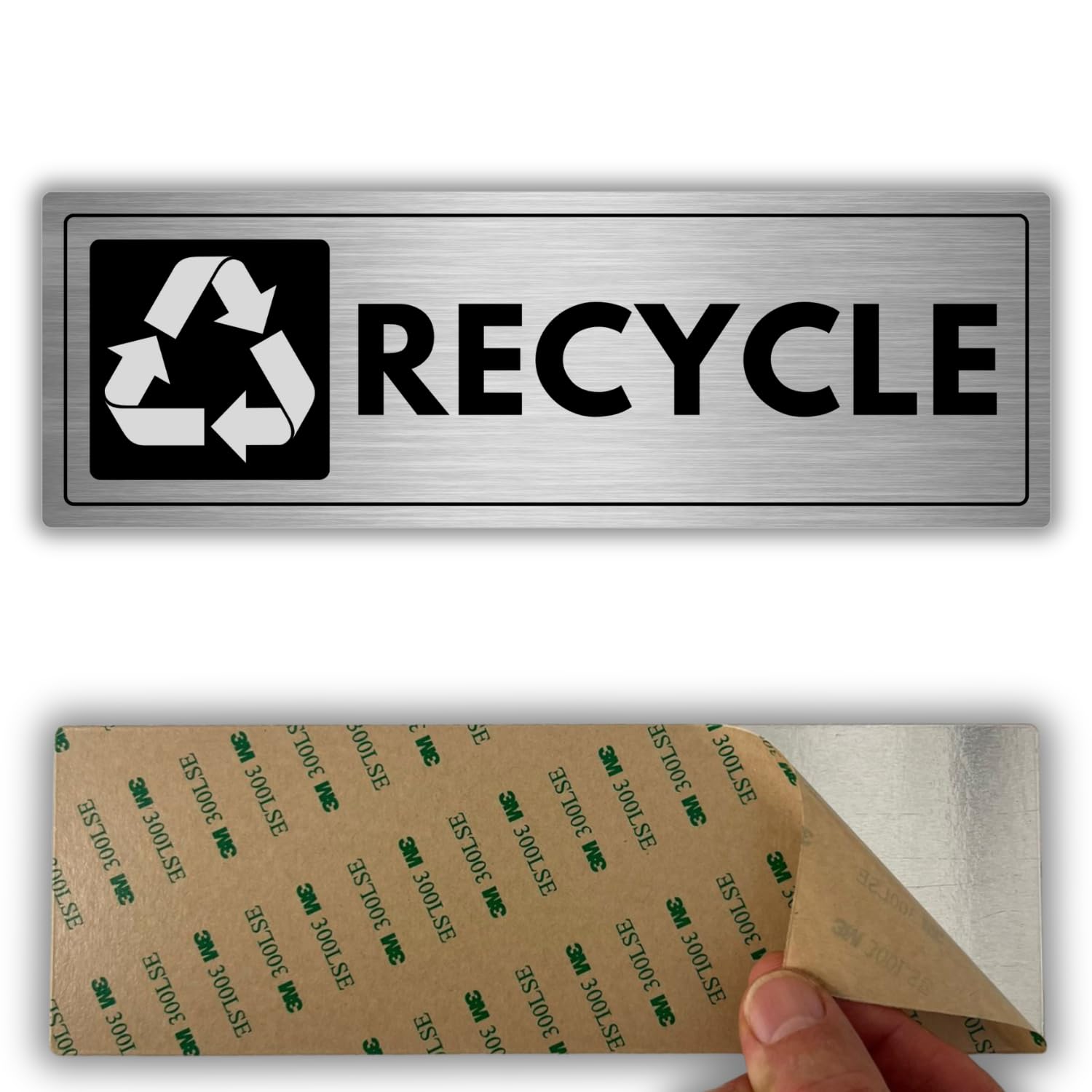
| Feature | Veolia CFL Recycling Box Medium | Household Essentials Recycler Bag | EasyPak VaporShield Lamp Box | Leykai Aluminum Recycling Sign |
|---|---|---|---|---|
| Primary Use | Prepaid e‑waste shipping container | Portable collection bag for paper liners | Heavy‑duty shipping box for large items | Visible signage for recycling stations |
| Dimensions | 15 × 15 × 15 in | Foldable frame, compact storage | 4 feet long, jumbo capacity | 3 × 9 in, 0.040 in thick |
| Material | Durable cardboard with reinforced edges | 600D polyester with chipboard sides | High‑impact corrugated cardboard | Premium aluminum |
| Price (USD) | $143.80 | $20.49 | $146.00 | $8.95 |
| Rating | 5/5 (1 review) | 4.9/5 (133 reviews) | 5/5 (1 review) | 4.9/5 (11 reviews) |
When choosing a product, consider the volume of earbuds to be recycled, the preferred collection method, and budget constraints. For occasional personal recycling, the Recycler Bag offers affordability and flexibility. Organizations handling larger shipments may benefit from the prepaid Veolia Box or the robust EasyPak Box. Finally, clear signage such as the Leykai Recycling Sign encourages proper use of collection points.
Best Practices & Tips
- Separate batteries from earbuds before packaging; store them in a fire‑resistant container.
- Use a sealed bag, such as the Recycler Bag, to prevent loose parts from escaping during transport.
- Label each container with the type of material it contains to aid downstream recyclers.
- Schedule regular drop‑off trips to local e‑waste centers to avoid accumulation of hazardous items.
- When using mail‑back programs, verify that the service offers tracking to ensure items reach the recycler.
Frequently Asked Questions
1. Can I recycle earbuds with regular household trash?
No. Earbuds contain electronic components and batteries that must be processed separately from municipal solid waste to prevent environmental contamination.
2. Are there any free drop‑off locations for earbuds?
Many municipalities provide free e‑waste collection days or permanent drop‑off bins at libraries and recycling centers. Check the local government website for schedules.
3. How should I dispose of the tiny battery inside wireless earbuds?
The battery should be removed and taken to a hazardous waste collection point. Some mail‑back programs accept batteries when packaged according to their guidelines.
4. Is it worth using a prepaid shipping box for a few broken earbuds?
For a small number of items, the cost of a prepaid box may outweigh the convenience. However, organizations that recycle in bulk benefit from the predictable shipping expense.
5. Can I upcycle earbud components into new products?
Yes. Silicone earpads can become grip pads, and copper wire can be reused in hobby electronics. Ensure all batteries are removed before any DIY project.
6. What signage should I use to label a recycling station for earbuds?
The Leykai Aluminum Recycling Sign provides a clear, durable label that can be affixed to bins or walls without tools.
Conclusion
Recycling broken earbuds responsibly requires an understanding of material composition, awareness of local collection options, and the right tools to transport and label e‑waste. By leveraging drop‑off centers, mail‑back services, and DIY upcycling techniques, one can minimize the environmental impact of discarded audio accessories. The products highlighted in this guide—such as the Veolia recycling box, Household Essentials Recycler Bag, EasyPak shipping box, and Leykai recycling sign—offer practical solutions that align with best practices. Implementing the recommended steps ensures that even the smallest electronic devices are handled in an environmentally sound manner.
Products Featured in This Guide
Veolia CFL Recycling Box Medium
Price: $143.80
Rating: 5/5 (1 review)
Featured because it provides a prepaid, secure container for shipping small e‑waste items such as broken earbuds to certified recyclers.
Household Essentials Recycler Bag
Price: $20.49
Rating: 4.9/5 (133 reviews)
Featured because its durable polyester construction and removable paper liner make it ideal for separating and transporting small electronic waste.
EasyPak VaporShield Lamp Box
Price: $146.00
Rating: 5/5 (1 review)
Featured because its heavy‑duty design protects larger shipments of e‑waste, making it suitable for community recycling drives.
Leykai Aluminum Recycling Sign
Price: $8.95
Rating: 4.9/5 (11 reviews)
Featured because its clear, self‑adhesive design helps users identify proper recycling stations for earbuds and other e‑waste.